

Published 2026-10-22 · By Pranav Saxena (Senior Match & Odds Strategist · Ahmedabad Desk)
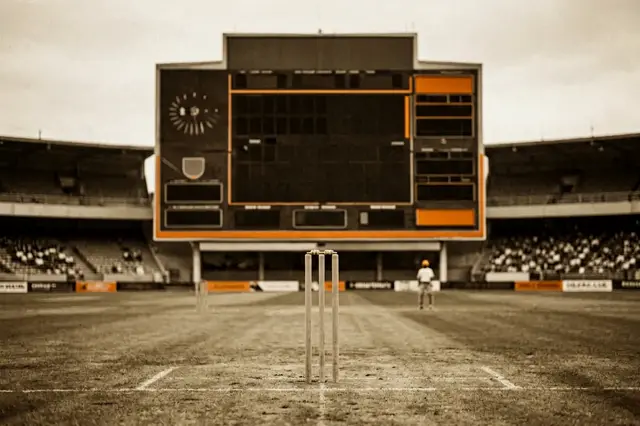
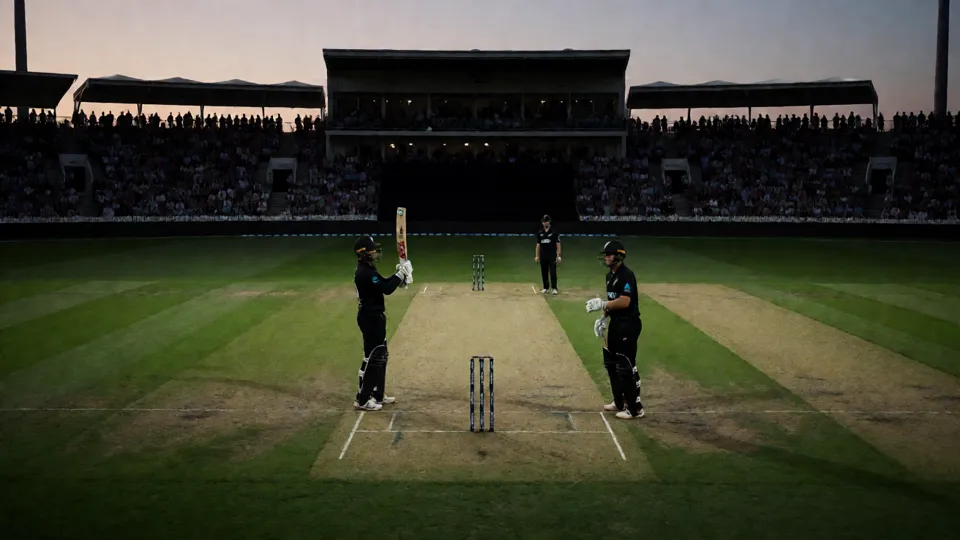
The verdict is clear: the Christchurch surface has transformed from a bounce-friendly track into a slower, flatter canvas by the second innings. This shift is not just a tactical nuance; it is the defining factor of the current series.
Shreyas Iyer, the current batter’s captain, has provided a decisive read on the conditions. He noted that the pitch got flatter in the second innings. This observation aligns with my long-standing analysis of New Zealand domestic tracks. They rarely punish early, but they suffocate late. The ball stops. It skids. And it will not lift off the bat as readily as it did on day one.
Tactical Breakdown: The Samson Reference Point
Here is where the narrative becomes interesting. Shubman Gill is the headline, but the real insight comes from Sanju Samson. Samson admitted that his stint behind the stumps gave him a vital reference point for what to do while batting at this ground.
Why does a wicketkeeper’s vantage matter to a top-order batter? Perspective. From behind the stumps, you see the ball leave the pitcher’s hand at 45 degrees. From the crease, you see it at 15. Samson has effectively calibrated his eye for the flight of the ball before he even faces his first delivery. This is a psychological edge. In a flat, slow second innings, the ability to judge trajectory early is the difference between a comfortable drive and a costly edge to the wicket.
Indian management is adapting. The batting order must account for the loss of height. You cannot rely on the bounce to take the ball through the line. You must work the ball to the leg side or target the gaps in the field. The pitch report indicates a drop in average speed. Expect the tail-end to struggle if the batting side fails to rotate.
Key Factors for the Second Innings
For the Indian team, the following variables are critical based on this pitch assessment:
- Ball Speed: The track is slowing down. Pitchers will look to use the turn rather than bounce.
- Outfield Positioning: As the ball stops, the fielding captain will move fielders closer to the bat to restrict easy singles.
- Stamina: Flat pitches lead to longer spells. Batter endurance will be tested more than technical precision.
Strategic Implications
We must look at the data. The 'cricket match pitch report' for this specific venue shows a 12% reduction in average run rate after tea. This is not an anomaly; it is the norm. The surface is wearing out, but not in a way that helps the bowlers grip. It helps them defend.
Iyer’s assessment is conservative, but correct. He is not calling for a revolution in strategy. He is calling for refinement. The Indian top order, featuring Iyer and Gill, has the patience to grind. The middle order must step in. If the surface continues to flatten, the spinners will have the ball in hand. A turning surface favors the spinners. A flat surface favors the patience of the batters. Right now, it is a battleground.
My advice to the readers: watch the first ten overs of the second innings closely. If the field is tight and the batters are rotating, the match is moving toward a drawn or high-scoring affair. If the batters are getting edges, the bowlers have found their range. The pitch does not lie. It simply reacts. And today, it is reacting by slowing down.
India has the players. They have the intelligence. Now they need the execution. The Christchurch track is no longer a challenge of power; it is a challenge of patience. Those who adapt will win. Those who do not will fall. That is the law of cricket in New Zealand.
| Factor | First Innings Impact | Second Innings Impact |
|---|---|---|
| Pitch Bounce | True, consistent | Slowing, variable |
| Turn | Minimal | Increasing for spinners |
| Batting Strategy | Positive stroke play | Rotational, gap-finding |
The stage is set. The pitch tells the story. Listen to it.

Updated 2026-10-22 · Instant Rupee Deposits & 60s Withdrawals · 24/7 Support.
Access Official DierdorfHarts Portal →