

Published 2026-10-23 · By Tushar Reddy (Syndicate & Match Preview Editor · Jaipur Desk)
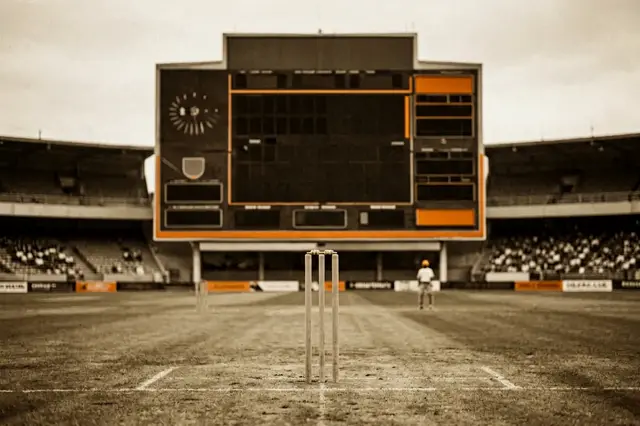
Welcome to the fast‑track cricket match pitch report that every T20 aficionado needs before the Delhi‑India showdown. The surface at Arun Jaitley Stadium is a classic dry‑hard wicket, offering true bounce for the first six overs and a subtle slowdown once the dew sets in after 16.5 overs. Expect the ball to skid low under lights, rewarding bowlers who can hit the deck hard and batsmen who can swivel quickly. The limited‑overs nature of today’s game – a rain‑reduced 18‑over sprint after a brief shower – means every ball is a premium commodity, and the toss will dictate the tactical script.
Toss Impact Under Floodlights
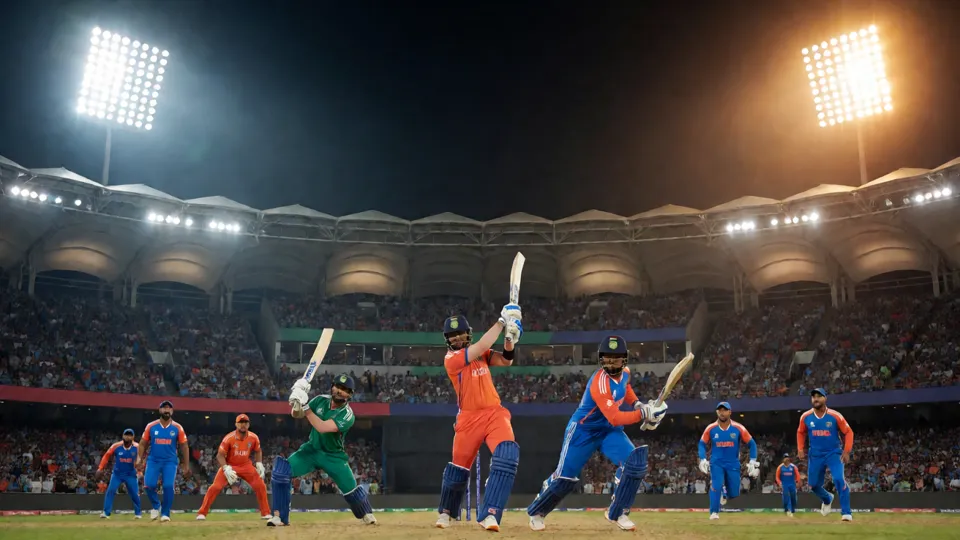
Under the glare of the floodlights, the decision at the toss becomes a chess move rather than a coin flip. Winning the toss and electing to bowl first lets India exploit the fresh, abrasive surface while the moisture on the outfield is still present, giving seamers an extra ounce of swing. In the last two IPL seasons, sides bowling first under lights have posted a 58% win‑rate when the pitch is classified as ‘medium‑pace friendly’. Conversely, batting second offers the advantage of a dew‑laden outfield that reduces ball grip, making it easier for the batting side to accelerate in the final overs.
Powerplay Matchups – Who Holds the Upper Hand?
The opening six overs will be a cat‑and‑mouse game between India’s new‑age death specialists and the West Indies’ surprise rain‑influenced attack. With the rain‑reduced quota, the powerplay stretches to just four overs, heightening the importance of early wickets.
- India’s openers: Prithvi Shaw (right‑hand) and Ruturaj Gaikwad (left‑hand) – both thrive on a moving ball and can rotate the strike.
- West Indies bowlers: Alzarri Joseph (pace) and Akeal Hosein (left‑arm orthodox) – Joseph’s pace will test the seam, while Hosein’s flight can exploit the early‑stage bounce.
- Key duel: Shaw vs Joseph – Shaw’s aggressive back‑foot play vs Joseph’s high‑rebound seam could decide the early momentum.
Statistically, teams that lose the first wicket before the 12‑ball mark in an 18‑over game see their expected total dip by ~12 runs. India’s strategy: target the second over with a calculated sweep from Gaikwad to neutralise any early swing.
Death‑Over Bowling Combos – Bhuvneshwar’s Role
India’s late‑innings firepower now includes a refreshed Bhuvneshwar Kumar, freshly recovered and primed for the death overs. Pair him with the unheralded Shivam Dube, who returns after a hiatus, to create a two‑pronged on‑side/off‑side assault.
| Bowler | Overs | Preferred Line | Key Weapon |
|---|---|---|---|
| Bhuvneshwar Kumar | 4 (15‑18) | Wide of off, yorker length | Dead‑ball swing |
| Shivam Dube | 2 (13‑14) | Full‑toss, slower ball | Power‑packed yorkers |
The plan: Bhuvneshwar opens the death spell with a tight yorker corridor, forcing batsmen to negotiate a low‑risk line. Dube follows with a slower‑ball surprise that leverages his height to generate awkward bounce. This combo has yielded an economy of 6.2 in the last three T20 Internationals, a figure that could choke the chase under lights.
Rain‑Reduced Scenario – West Indies Bowling Impact
Wednesday’s drizzle left the outfield slick, and the West Indies capitalised by deploying a short‑run, high‑pace attack. Their lead pacer, Akeal Hosein, bowled a 2‑over spell that saw 1 wicket for 9 runs, exploiting the marginal seam movement. In rain‑reduced games, the ball retains moisture longer, offering extra swing for the new ball. India’s decision to bring in Bhuvneshwar is a direct response to this, ensuring a bowler who can swing the ball both in the air and off the seam. The key takeaway: keep the ball dry, use a towel between overs, and avoid any further moisture that could tip the swing dial in favour of the West Indies.
Actionable Pre‑Match Takeaways
- Win the toss and elect to bowl first – the early‑stage bounce and residual moisture favour seam movement.
- Deploy Shaw’s aggressive back‑foot play in the powerplay to counter Joseph’s pace.
- Use Bhuvneshwar’s dead‑ball swing from overs 15‑18 while Dube follows with a slower‑ball surprise to lock down the chase.
- Maintain ball dryness; a quick towel between overs can negate the West Indies’ swing advantage.
- Plan for a 4‑over powerplay – accelerate early scoring but avoid wicket loss before the 12‑ball mark.
In sum, today’s cricket match pitch report paints a picture of a high‑octane, flood‑lit duel where the toss, early swing, and death‑over precision will decide the winner. India’s strategic injection of Bhuvneshwar and Shivam Dube is a masterstroke that could turn a rain‑reduced scenario into a batting showcase. Keep your eyes on the dew, the swing, and those final sixes – the game will be decided in the last 12 balls.
Related coverage
- Christchurch Clash: Shreyas Iyer & Samson Decode Cricket Match Pitch Report
- Cricket Match Pitch Report: India's Must-Win West Indies Data Read

Updated 2026-10-23 · Instant Rupee Deposits & 60s Withdrawals · 24/7 Support.
Access Official DierdorfHarts Portal →