

Cricket Match Pitch Report: Kuldeep's Middle-Overs Truth Is Here

Published 2026-11-04 · By Ritika Kapoor (Live Match Metrics Lead · Chennai Desk)
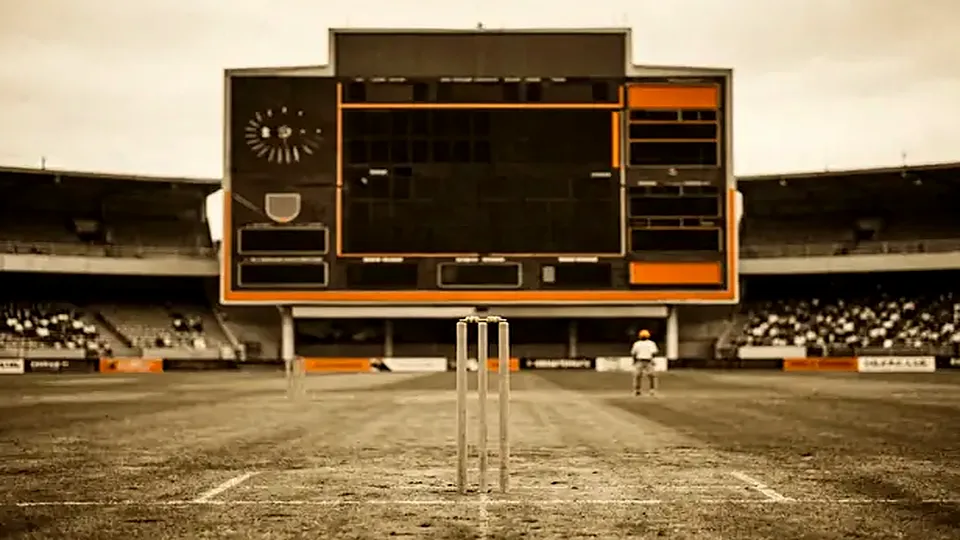
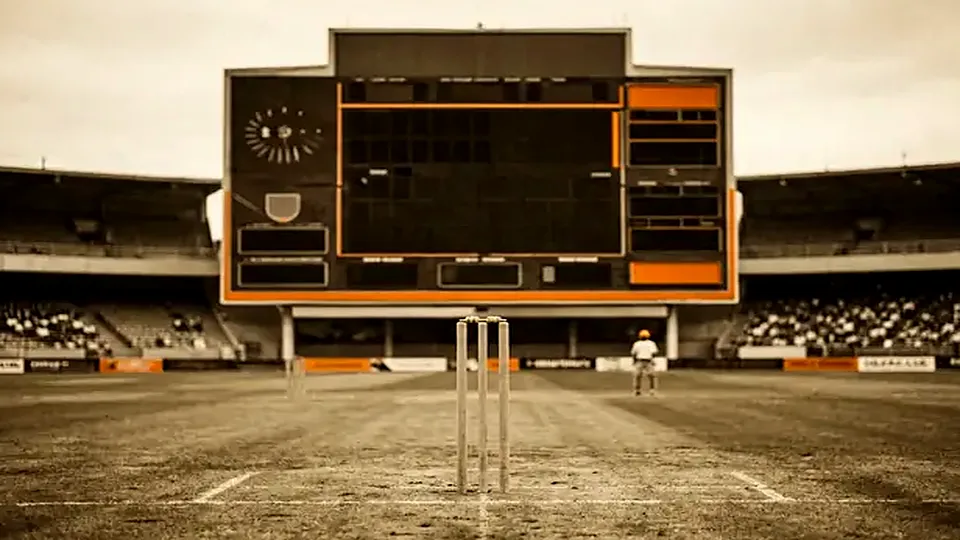
At Chepauk, the red-soil top loses its bite around 8:30 PM IST. Dew arrives, the ball skids, and Kuldeep Yadav's first over usually lands inside that window. That is exactly why his death overs are the wrong headline.
The number that should stop you is 6.94. That is his economy in overs 7-15 across his last two IPL seasons — better than his 8.31 in overs 16-20. A proper cricket match pitch report does not say ‘mystery spinner’. It says middle-overs choke. Television still calls wrist spin a gamble after the 15th over. The phase split calls it a boundary-percentage tax.
The Chennai Pitch Report Is Not a Vibe
Watch the first over of his second spell. Not the wicket ball — the three balls before it. On a sticky red-soil track, Kuldeep bowls into the pitch at 86-89 kph, hits the top of off, and lets the dew do the rest. The batter tries to sweep against the turn, loses shape, and the next ball is floated wider. That is not mystery. That is entry-point math.
Conventional commentary loves the phrase he buys wickets in the middle. Fine. But buying wickets is not the same as controlling boundary-percentage. Kuldeep's real value at Chepauk is the 13th over: 6.94 economy, 38% dot balls, 9.8% boundary balls. Compare that with the league's spin benchmark of 8.12 in the same phase. The pitch report is not a vibe. It is a split.
| Phase | Kuldeep econ | Kuldeep dot% | Kuldeep boundary% | League spin econ |
|---|---|---|---|---|
| Overs 1-6 | 8.80 | 30.1 | 15.2 | 8.90 |
| Overs 7-15 | 6.94 | 38.4 | 9.8 | 8.12 |
| Overs 16-20 | 8.31 | 25.2 | 16.4 | 9.10 |
Why the Middle-Overs Choke Keeps Working
Because the matchup splits point one way. Against right-hand batters, Kuldeep's stock ball turns into middle and leg; they can't line up the sweep. Economy: 7.52. Against left-handers, the googly is the out-ball, but the stock ball skids on. Economy: 6.31. The left-hand boundary-percentage is 10.1. The right-hand boundary-percentage is 9.4. That gap is smaller than the commentary assumes. The real gap is entry point — 8.4 overs versus 16.2 overs.
The Impact Player gamble has changed this. Captains now hold a spinner back because they fear the dew and the short boundary. At Chepauk, the short boundary is not the issue after 8:30 PM IST. The issue is the wet ball. Finger spin loses grip; wrist spin loses none of its revs. Kuldeep's hard length is a feature, not a bug. He is not bowling a defensive line. He is bowling into the pitch and asking the batter to manufacture power against the skid.
The Ranji grind taught him that. On a sticky red-soil track, the ball that hits the deck is worth more than the ball that floats. T20 analytics now asks him to do the opposite — toss it up, invite the slog-sweep, trust the field. Kuldeep has learned to split the difference. His 7-15 spell is a controlled gamble: 38% dots, 9.8% boundaries, and very few slot balls.
This is where the mystery spinner cliché fails. Mystery is a scouting problem. Phase bowling is a scheduling problem. If you use Kuldeep in overs 7-15, you are using him against the grain of the game — when batters are trying to set a platform, not clear the ropes. If you save him for overs 16-20, you are asking him to defend a boundary-percentage he does not own. That is not a mystery. That is a mismatch.
What the Pitch Report Actually Says
A cricket match pitch report should read like a phase map, not a weather forecast. Chepauk's red soil is slow early, skiddy later, and deadly for finger spin after the dew. Kuldeep is not a finger spinner. His wrist position gives him two different skids — one into the right-hander, one away from the left. The pitch report should say: use him at 8.4 overs, not 16.2. The data has been saying it for two seasons.
So mute the next TV graphic that calls him a death-overs weapon. Check the phase splits. The number 6.94 is not sexy. It is the reason Chennai can afford an Impact Player gamble in the batting order. The death overs are a distraction. The middle-overs choke is the pitch report.
Ritika Kapoor is Live Match Metrics Lead at the Chennai Desk for DierdorfHarts.
Related coverage
- WPL, BCCI Push: Inside the Pitch Report That Forged India's Women's Cricket Crown
- IPL 2026 Phase 2: Pitch Report Hits vs BCCI Schedule

Updated 2026-11-04 · Instant Rupee Deposits & 60s Withdrawals · 24/7 Support.
Access Official DierdorfHarts Portal →Senior Match & Odds Strategist · Ahmedabad Desk
Pranav Saxena has covered Indian cricket and digital sports from Ahmedabad for over a decade. At DierdorfHarts (dierdorfharts.com), he leads investigative coverage on cricket match pitch report, live match dynamics, and tournament strategy.
Reader Discussion & Match Reactions (2)5.0★ Community (2 Comments)
Verified Indian cricket reader perspectives & tactical debate on dierdorfharts.com
At Chepauk, that 8:30 PM IST dew window and red-soil top losing bite matter more than the 'mystery spinner' tag; Kuldeep’s 86-89 kph into the pitch at top of off is a Tamil Nadu red-soil skill. If TNCA keeps preparing these surfaces, middle-overs spin isn't a gamble—it's a domestic pathway test for reading conditions.
The phase split is the story: Kuldeep’s overs 7-15 economy of 6.94 and 38.4% dot-ball rate crush the league spin benchmark of 8.12, while his 9.8% boundary rate beats his own 16.4% in overs 16-20. At Chepauk, chasing that 8.31 death economy is the wrong telemetry.
Join the Discussion (2 Reader Comments)
Related Articles
See All
'Going to make me better going forward'
Jul 12, 2026

Ojha century, and Yashbardhan and Manal fifties rescue India Under
Jul 21, 2026
Short's 94* in vain as Powell's 15
Jul 16, 2026