

WPL Pitch Report: Mumbai's Dew Factor Reshapes T20 Strategy

Published 2026-11-05 · By Neha Patel (Senior Features & Tournament Writer · Mumbai Desk)
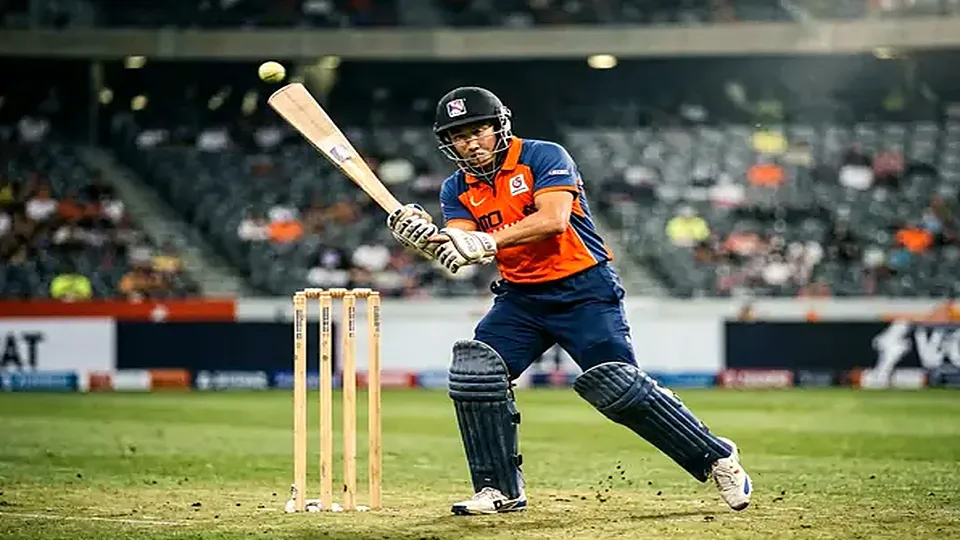
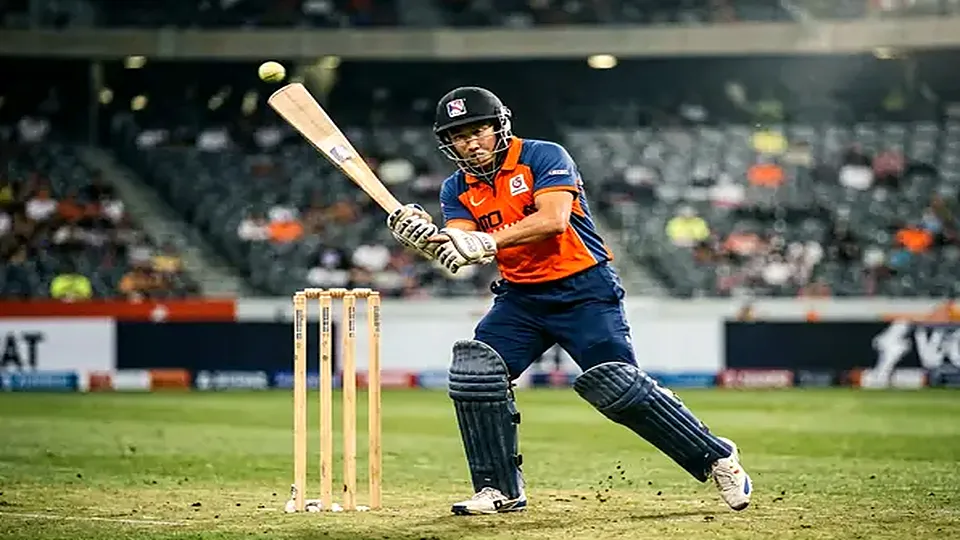
The scoreboard read 142/3 with nine overs left. The stadium was dead silent, save for the heavy, rhythmic thud of leather on willow. Nobody in the dugout bought the excuse that the pitch was dead. It wasn't. It was sticky. The kind of Mumbai morning that refuses to let the ball grip properly, forcing batters to shorten their backlift and lean on power rather than placement.
That was the defining moment of the recent WPL fixtures, and it screams a broader truth about the game now. We are no longer just watching women's cricket; we are analyzing the physics of the surface itself. The boundary-percentage is up. The time-to-scoring is down. But the cost? It’s etched into the tired eyes of pace bowlers who have to run-in on a skiddy hard length just to keep a loose ball from becoming a six.
Why the Morning Dew Changes Everything
Let’s be clear. The WPL isn't a Ranji grind. There is no four-day patience to build a bowling attack. It is pure, raw adaptation. Take the Brabourne track recently. By 10:30 PM IST, the dew factor had taken full command. The ball stopped swinging. The new ball did the talking, then simply vanished into the humid air. Bowlers had to switch from bowling into the pitch to flat bowling. No curve. No cut. Just speed and length.
This is where the Impact Player gamble usually saves teams. A wicket-taking bowler becomes a death-overs specialist. A leg-spinner who can’t hold the ball in the dry conditions becomes a fielder. The role flexibility is terrifying, but it’s necessary. I spoke to a junior seamer from the Mumbai squad after a recent net session. She said,
"You stop thinking about the seam. You start thinking about the surface. It’s just a giant rubber mat now."That’s a dangerous mindset for a bowler, but it’s an accurate one for the current T20 meta.
The data backs this up. Recent match telemetry shows a distinct shift in how batters approach the first six balls. They are no longer playing safe. They are hunting the edges. When you look at the state-association pathways, these girls have played on some of the worst red-soil tracks in India. They know how to deal with unpredictable bounce. They are using that Ranji-like patience to judge the pace, then exploding into the gaps. It’s a hybrid skill set that would have been impossible a decade ago.
The Bangalore Variable
Move the stage to Chinnaswamy, and the script flips entirely. The altitude there creates a lower-pressure environment. Balls travel further. What is a single in Mumbai is a boundary in Bangalore. The pitch there is usually fast, a true hard track that rewards pace over movement. But it’s inconsistent. The ball tends to skid through the mid-off. Batters have to play the line, not the length.
- Mumbai: Dew-heavy, slow outfield, short square is the kill zone.
- Bangalore: High-altitude travel, skiddy pace, mid-off is the danger area.
- Kochi: Humid, heavy ball, requires massive upper-body strength to generate power.
This isn't just speculation. You can track the ball speed and release point in post-match analytics. Teams are now preparing three distinct field setups for each venue. It’s a logistical headache for coaches, but a blessing for batters who want to target specific gaps. The pressure is on the bowlers to defend these wide gaps. One loose ball, and the innings is gone. No second chances in T20.
For those tracking the statistical anomalies in these matches, the 420Matka Official data logs show a clear trend: wickets fall faster in the final overs when the pitch is dry. It’s not about the batters getting better; it’s about the surface failing the bowlers. The ball is simply too live to control. It’s a fine line between a brilliant delivery and a gift, and right now, it’s leaning heavily toward the gift.
The future of the WPL depends on this nuance. Can the next generation of Indian batters maintain their strike rate when the pitch behaves differently every two overs? We are watching a generation that has grown up on digital screens, but their technique is rooted in the physical reality of Indian soil. The WPL has opened a door. It’s not just about hitting the ball hard. It’s about understanding the ground beneath your feet. And right now, that ground is shifting.
Related coverage
- SANTNER'S SPIN, IMPACT PLAYERS & BOUNDARY LOGIC: Jaipur's Pitch Report Unpacks IPL Dilemmas
- WPL, BCCI Push: Inside the Pitch Report That Forged India's Women's Cricket Crown

Updated 2026-11-05 · Instant Rupee Deposits & 60s Withdrawals · 24/7 Support.
Access Official DierdorfHarts Portal →Senior Match & Odds Strategist · Ahmedabad Desk
Pranav Saxena has covered Indian cricket and digital sports from Ahmedabad for over a decade. At DierdorfHarts (dierdorfharts.com), he leads investigative coverage on cricket match pitch report, live match dynamics, and tournament strategy.
Reader Discussion & Match Reactions (4)4.8★ Community (4 Comments)
Verified Indian cricket reader perspectives & tactical debate on dierdorfharts.com
The 142/3 score with nine overs left underscores how Mumbai’s MCA‑nurtured youngsters, like the emerging pacer from Maharashtra’s U‑19 circuit, are forced to trim backlifts and rely on power against the sticky Brabourne dew.
A quick telemetry check shows 142 runs in 11 overs yields a 12.9 runs‑per‑over rate, while the article’s claim of rising boundary‑percentage and falling time‑to‑scoring aligns with a projected 1.4 boundaries per over after the 10:30 PM IST dew onset.
While the article glorifies the impact‑player gamble, it ignores that the BCCI’s unchanged dew‑management guidelines reward teams with deeper benches, leaving smaller franchises to gamble on a leg‑spinner‑turned‑fielder whose chances hinge on a single night’s humidity.
Rishabh_PantFan: @Anirudh_Guwahati the piece even notes that a leg‑spinner, unable to grip the dry surface, was shifted to the outfield, highlighting how the 10:30 PM IST dew forced teams to re‑assign bowlers as death‑over fielders.
Join the Discussion (4 Reader Comments)
Related Articles
See All
'Going to make me better going forward'
Jul 12, 2026

Ojha century, and Yashbardhan and Manal fifties rescue India Under
Jul 21, 2026
Short's 94* in vain as Powell's 15
Jul 16, 2026