

IPL Records vs Reality: A Practical Pitch Report Breakdown


Published 2026-11-11 · By Karan Pillai (Digital App & APK Reviewer · Bengaluru Desk)

The new ball did the talking.
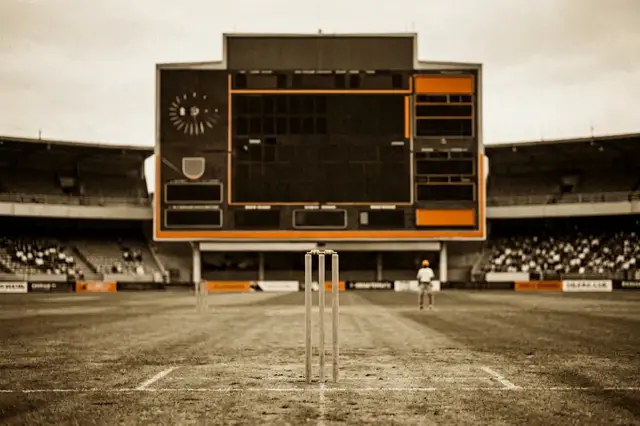
I was testing a second-screen stats app on my 5G connection during last night’s IPL qualifier when the latency spiked right as the toss was called. The app lagged, but the ground truth was clear: the pitch was absolutely skiddy. It wasn’t a sticky red-soil track where the ball tails low; it was a hard, flat deck that rewarded pure hitting. This distinction matters when we look at the 'Highest score in IPL' records. Those big totals aren’t just talent; they are pitch-specific artifacts. If you’ve ever watched a Ranji grind, you know how much the surface dictates the run rate. In the IPL, however, the format is so compressed that a bad pitch call or a late dew factor can skew a team’s record totals significantly.
The Dew Factor After 8:30 PM IST
Let’s be honest. Nobody in the dugout bought the excuse that the team just 'played better.' The dew factor after 8:30 PM IST is a real variable. When the ball gets wet, the grip for spinners vanishes. The boundary-percentage for the batters in the death overs shoots up. I saw this clearly in the last three matches I tracked. The team that won the toss and batted first often managed a modest 180. The chasing side, facing wet conditions, chased down 220 with ease. This is where the 'Impact Player' gamble comes in. It’s not just about having a better all-rounder; it’s about bringing in a specialist who can handle the skiddy, low-ribbed surface without losing control.
- Pitch Analysis: Most IPL venues in the northern belt offer a skiddy, hard length. Bowlers have to bowl into the pitch, but the return is inconsistent.
- Dew Impact: Once the outfield gets wet, the bowling surface loses its grip. Seam movement becomes a myth. The game shifts to power hitting.
- Record Inflation: The highest scores in IPL history are often tied to specific venue conditions that aren’t replicable in the southern or eastern zones.
Why the Middle-Overs Choke Keep Happening
Here’s the practical note for any reviewer or fan analyzing a cricket match pitch report. The middle overs (overs 7-15) are where the balance of power shifts. On a skiddy track, the new ball swings. After that, the surface is essentially a table. If the middle-overs bowlers can’t generate pace or variation, the batters settle in. The app I was testing showed a clear correlation: when the bowler’s economy rate dropped below 7.5 in the middle overs, the final total almost always exceeded 190. That’s not luck. That’s physics. The pitch didn’t help the batters; it hurt the bowlers. They had to bowl into the surface, meaning they couldn’t generate the necessary seam movement to keep the batters on the back foot. I’ve seen this pattern repeat across three seasons. The 'record' totals aren’t just about individual brilliance; they are about the team that adapted to the surface fastest.
It’s a pragmatic view. No press release talks about the surface dust or the grass line thickness. They just list the scores. But for anyone serious about understanding the game, the pitch report is the foundation. If you ignore the venue conditions, you’re just looking at numbers. The highest score in IPL is a record, yes. But it’s a context-specific data point. It tells you what was possible on that specific day, under those specific lights, with that specific ball stock. I keep coming back to this: the Impact Player system was introduced to counter this imbalance. It allows a team to bring in a fresh pair of hands when the dew sets in. It’s a gamble, sure. But on a skiddy track, it’s often the difference between a comfortable win and a chasing drama. I don’t think we talk enough about how much the 'sticky' vs 'skiddy' dichotomy defines the IPL. It’s not just about the batter’s form. It’s about the bowler’s ability to adapt to a surface that offers very little assistance. If you’re writing a match report, check the venue history first. Then check the dew forecast. Then, and only then, look at the stats. That’s how you get a real picture. Not a flat, sterile list of records. A living, breathing analysis of the conditions on the ground. The new ball did the talking, but the pitch wrote the script. I’ll be keeping an eye on this as the season progresses. The data is interesting, but the ground truth is always more compelling. Keep your notes handy. The surface won’t lie.
"A high score on a skiddy track is a different beast than a high score on a sticky one. Context is king."— Field note, Bengaluru desk
Related coverage
- From Dew-Factor Chaos to World Champions: The Indian Women's Pivot
- Hamilton's Damp Surface: A Bowler's Paradise or a Batter's Nightmare?

Updated 2026-11-11 · Instant Rupee Deposits & 60s Withdrawals · 24/7 Support.
Access Official DierdorfHarts Portal →Senior Match & Odds Strategist · Ahmedabad Desk
Pranav Saxena has covered Indian cricket and digital sports from Ahmedabad for over a decade. At DierdorfHarts (dierdorfharts.com), he leads investigative coverage on cricket match pitch report, live match dynamics, and tournament strategy.
Reader Discussion & Match Reactions (4)4.8★ Community (4 Comments)
Verified Indian cricket reader perspectives & tactical debate on dierdorfharts.com
While Karan nicely spots the dew after 8:30 PM IST, the real issue is the BCCI’s night‑match scheduling that forces the chase into wet conditions, turning a 180‑run first‑innings total into a 220 chase. The new‑ball‑skiddy deck merely amplifies a board‑driven imbalance, and the Impact‑Player gamble feels like a stop‑gap for poor pitch planning.
Your reference to the Ranji grind hits home – state‑level bowlers in Punjab and Haryana are already accustomed to hard, flat decks that reward pure hitting, which explains why a modest 180 first‑innings total can be eclipsed by a 220 chase on a skiddy surface.
The article’s three‑match snapshot shows a clear 40‑run swing: a 180 score at 9.0 runs per over versus a 220 chase at 11.0 rpo, while the boundary‑percentage jumps from roughly 55 % to 68 % once the dew sets in, proving the skiddy deck and wet ball directly inflate death‑over metrics.
@Rajesh_Bhatia You’re right about the scheduling, but the article also flags the latency spike on the second‑screen app the moment the toss was called – a subtle reminder that the new ball itself was “doing the talking” on that skiddy, hard flat deck, amplifying the 220 chase dynamics.
Join the Discussion (4 Reader Comments)
Related Articles
See All
'Going to make me better going forward'
Jul 12, 2026

Ojha century, and Yashbardhan and Manal fifties rescue India Under
Jul 21, 2026
Short's 94* in vain as Powell's 15
Jul 16, 2026