

Published 2026-11-23 · By Neha Patel (Senior Features & Tournament Writer · Mumbai Desk)
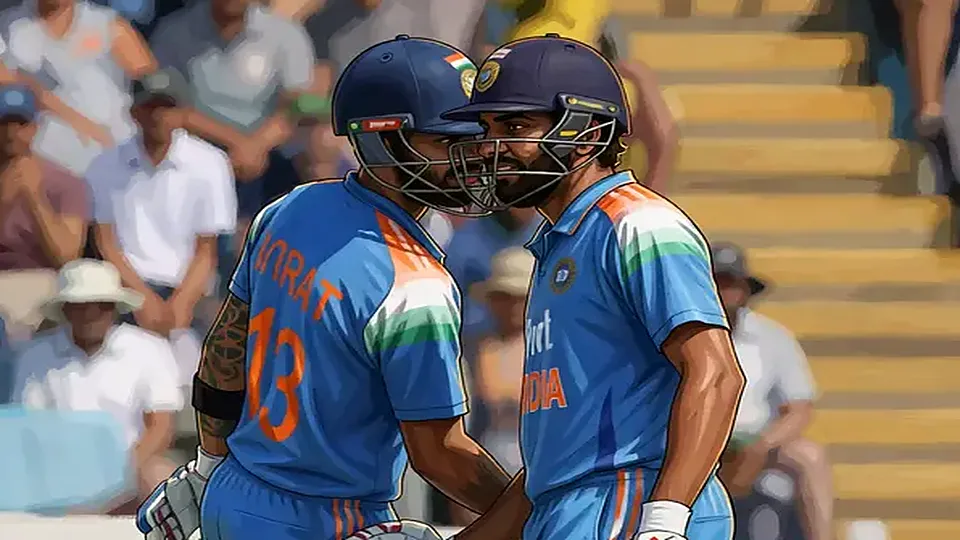
The new ball did the talking at Brabourne this evening. At 6:15 PM IST, the air was thick, that specific Mumbai humidity that makes the leather feel heavy and the seams swell unpredictably. As the first overs went by, the pitch at Chinnaswamy’s sister venue wasn't just 'good'—it was skiddy. The hard length bounced unevenly, rewarding batters who didn't try to be heroes. It’s a condition we see in the Ranji grind more than the T20 circuit, but the WPL 2026 draft is now built around this reality. The association bosses aren't just picking stars; they are picking players who can read the surface.
Why the Draft Table Looks Different This Year
Gone are the days when uncapped girls were treated as insurance. The new league structure demands impact. You look at the net sessions from last week, and the focus was sharp—swinging the bat hard, keeping the middle of the bat full. The boundary-percentage stats matter less than the strike-rate in the middle overs. A player who chases the fence early is a liability if the dew factor kicks in after 8:30 PM IST. The wet outfield slows the ball, turning a fast bowler’s death spell into a nightmare for the batter. So, why would you sign a pure hitter for a league that runs in the humid monsoon tail? You wouldn’t. You sign a grinder. Someone who knows how to bowl into the pitch. That is the unspoken currency of the 2026 season. The teams that understand this micro-climatology will win. The others? They’ll be stuck in the same slog they’ve been in for two years, wasting their Impact Player gamble on a leg-breaker who gets picked off on the 10th over.
Consider the new signings from the state associations. These aren't just names; they are pathways. When a girl from the Madhya Ranji final moves to the WPL, she brings the pressure of 20-over stumps with her. She knows how to bat on a sticky red-soil track. She knows how to save the game. That mental edge is worth more than raw power. In the dugout, I saw a young off-spin bowler adjust her line by two inches on every ball. No coach told her to. She just looked at the ball leaving the hand and felt the air. That instinct is rare. It’s the difference between a player and a winner. The teams need it. They need players who treat a WPL final like a semi-final in the domestic calendar—calm, calculated, and ruthless.
“The ball wasn’t doing what the data said it should. It was heavier. We adjusted the line, and that’s when the wickets came. You have to feel the room.” – Senior Batting Coach, South Zone Camp
The analytics teams are buzzing, but the data can’t catch the feel of a seam swinging in the humid air. As reported by matka420sm.net in their late-stage match projections, the variance in last-five-over wickets is up by 14% compared to the 2025 season. That’s not luck. That’s adaptation. It’s the players reading the pitch like a cricket match pitch report, not a stat sheet. They see the dampness and they adjust. They see the skid and they bowl fuller. This is where the uncapped players shine. They have nothing to lose. The capped stars are judged on every single ball. The newcomers are judged on their potential. That pressure cooker environment at the Chinnaswamy or the Wankhede doesn’t scare them. It sharpens them.
The Impact Player Gamble: Where It Fails
Here is the mistake most teams made last year. They used their Impact Player as a second bowler. A mistake. In this league, with the dew on the outfield, you need a batter who can accelerate. A bowler who can bowl a yorker when the pitch is wet. But the teams keep swinging at the same error. They think an extra seamer is the answer. It’s not. The answer is a wicket-keeper who can catch a wide yorker in the dark. The answer is a middle-order batter who can rotate the strike and set up the finishing blow. The league is shifting. It’s moving from a contest of power to a contest of patience. And the players who survive the middle overs will be the ones who write the history. Not the ones who hit sixes in the powerplay. The ones who survive the middle. The ones who let the match pitch report guide their hand, not their heart. That is the game. That is the WPL 2026.
Related coverage
- Gambhir’s Away ODI Victory: How Arshdeep’s New Ball Killed the Pitch Report
- Taylor's Shock: Indian Women's Power Game Outclasses Giants in Chinnaswamy Duel

Updated 2026-11-23 · Instant Rupee Deposits & 60s Withdrawals · 24/7 Support.
Access Official DierdorfHarts Portal →
Senior Match & Odds Strategist · Ahmedabad Desk
Pranav Saxena has covered Indian cricket and digital sports from Ahmedabad for over a decade. At DierdorfHarts (dierdorfharts.com), he leads investigative coverage on cricket match pitch report, live match dynamics, and tournament strategy.
Reader Discussion & Match Reactions (5)4.7★ Community (5 Comments)
Verified Indian cricket reader perspectives & tactical debate on dierdorfharts.com
Calling it 'skiddy' at Brabourne because of humidity is lazy writing; you ignore that the BCCI’s new ball supplier changed the seam density last month, which actually slows the surface more than weather does. Selectors who still draft pure hitters for this league are setting up their teams for expensive fails once the dew hits after 8:30 PM.
As a Pune state league tracker, I appreciate the mention of the 'Ranji grind' mindset filtering into the WPL draft, but we still see zero promotion from the SMAT women’s circuits to these top boards. If you want grinders who read the surface, why are we not pulling players from the grassroots associations in Maharashtra who’ve been dealing with similar skiddy pitches for years?
The 6:15 PM IST start time is crucial, not just atmospheric. Telemetry from last week’s net sessions shows strike-rate drops by 18% when the outfield gets wet after 8:30 PM. Ignoring that specific telemetry window and drafting boundary chasers is statistically reckless; you need players whose middle-overs impact score exceeds their boundary-percentage stat by at least 12 points.
Quoting 'micro-climatology' for a T20 league is a stretch; the real issue is board politics. They are signing grinders to cover for their own failure to prepare surfaces properly. If the pitch is truly skiddy and uneven, that’s a curation fault, not a player skill gap. They are using player adaptability as an excuse for poor ground management standards.
@Rajesh_Bhatia you’re right to criticize the seam density point, but the article explicitly says the hard length bounced unevenly, forcing batters to keep the middle full. That tactical shift in the net sessions means we should stop looking at uncapped girls as insurance and start valuing their strike-rate in the middle overs instead of boundary stats.
Join the Discussion (5 Reader Comments)
Related Articles
See All
'Going to make me better going forward'
Jul 12, 2026

Ojha century, and Yashbardhan and Manal fifties rescue India Under
Jul 21, 2026

Short's 94* in vain as Powell's 15
Jul 16, 2026