

NZ ODI Pitch Report: Why India's Spin Gambles Must Match Dew Factor

Published 2026-11-24 · By Neha Patel (Senior Features & Tournament Writer · Mumbai Desk)
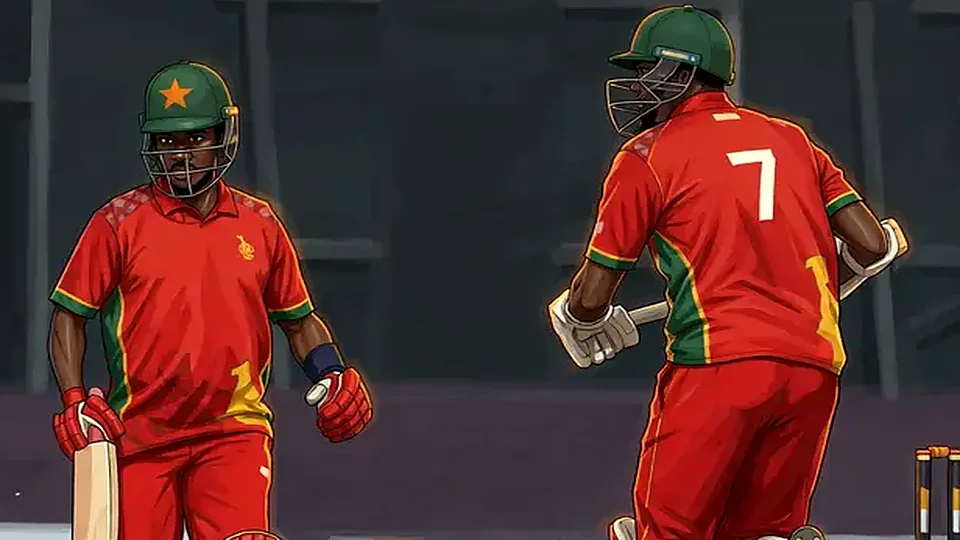
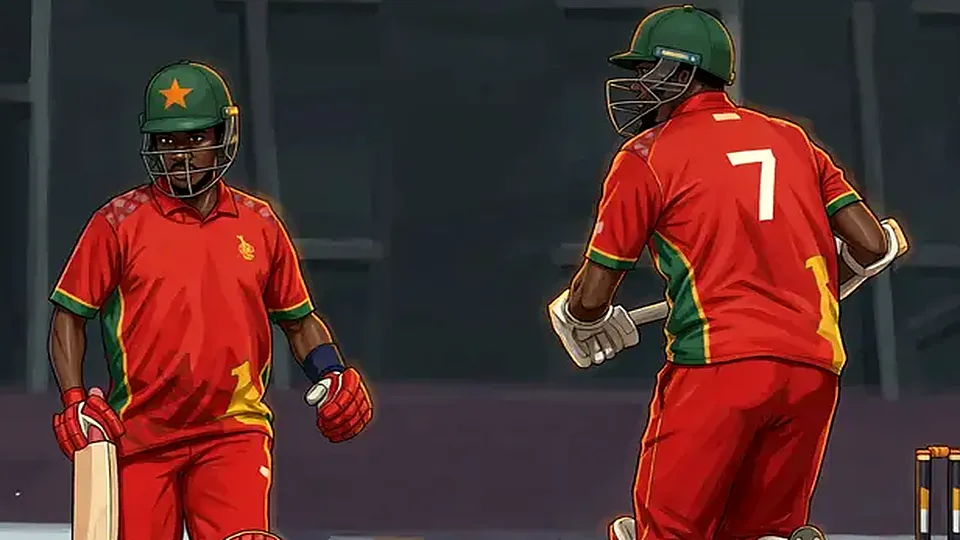
The humidity at Eden Park hits you before the first ball is bowled. You can taste it—wet, heavy air clinging to the white kit even during the pre-match warmups. This is not Mumbai’s Brabourne, where the evening dew turns the outfield into a wet sponge and forces batters to play loose. Here, in the South Island chill, the dew comes later. It sneaks in around 8:30 PM IST, usually when the match is already decided, or when the last over is a tense run-chase. But the pitch? That’s the real story.
Forget the sticky red-soil track we’ve been used to grinding on in the Ranji Trophy. New Zealand’s ODI venues, from Basin Reserve to Hagley Oval, are typically fast, skiddy hard length. The ball doesn’t turn; it skids. The new ball did the talking early on. Nobody in the dugout bought the excuse that spin would be a waste of space. It’s a gamble, certainly. But with the dew factor waiting in the wings, the Impact Player slot becomes the single most critical tactical lever for the Indian side heading into the 2026 series.
The Spin Wicket-Keeper Dilemma
There’s a specific problem with the current selection conversation. If you look at the boundary-percentage data from the recent WPL and Ranji circuit, young Indian spinners are adapting to high-altitude conditions—think Jammu or Nagpur—where the ball carries. But New Zealand is low-altitude, flat, and fast. The ball moves through the air differently. It drops early. For a spinner like Arshdeep or a leg-breaker, that early drop is a blessing and a curse. A blessing if you’re bowling into the pitch with subtle turn. A curse if you’re trying to keep it short and the dew starts kicking in during the powerplay.
This is where the dressing room whispers matter. I recall a net session in Mohali last month where a young wicket-keeper from the J&K side kept complaining that the ball was “living” too much. The head coach, a veteran of the 2011 World Cup squad, just laughed. “It’s not the ball, beta,” he said. “It’s your feet. Stop waiting. Start moving.” That’s the mindset shift needed here. In NZ, you cannot stand still. The skiddy hard length forces you to adjust your stance before the release. If you wait, you’re beaten.
“The dew at Basin Reserve is a liar. It looks harmless until it’s not. By the 40th over, the outfield is grassy, the pitch is hard, and your line ball is no longer straight. It’s a skidder. And that’s when the wickets start falling in clusters.”
Impact Player: The Gamble That Decides
Let’s talk about the Impact Player rule. This is not just a tactical nuance; it’s the heartbeat of modern ODI cricket. In a series against New Zealand, who do you bring on? A second opener to counter the new-ball bounce? Or an all-rounder to provide a bridge in the middle overs? The middle overs are where these series get won or lost. And they are choking. They keep choking.
We’ve seen it in the IPL. We’ve seen it in the Champions Trophy. The 15th to the 25th over is where the rhythm dies. If your spinners are bowling at 42 kph and the batters are pulling through the leg side because the ball is dropping too quickly, you’re in trouble. The Impact Player should ideally be a left-arm spin bowler with the ability to bowl wrist-spin variations off a skiddy surface. But do we have that depth? The state-association pathways have produced plenty of leg-breakers. Left-arm spin? That’s a thin tree. And that’s why the selection committee is sweating. They want safety. They want proven goods. But proven goods don’t always fit the skiddy NZ track.
The dew factor after 8:30 PM IST will be the judge. It will test the integrity of the new ball. It will test the footwork of the batters. And it will test the nerve of the captain calling a field change in the death overs. The match pitch report is clear: speed kills. But variation saves. Can India’s squad balance that equation in the 2026 series? The nets in Mumbai are telling one story. The practice nets in Auckland will tell the truth.
Related coverage
- Sticky Track, Sharp Edges: India's Third T20 Title Pitch Report
- Doha Dust Bowl: Why Pakistan A's Bat-First Gamble Beats Tilak's 'Just A Game'

Updated 2026-11-24 · Instant Rupee Deposits & 60s Withdrawals · 24/7 Support.
Access Official DierdorfHarts Portal →Senior Match & Odds Strategist · Ahmedabad Desk
Pranav Saxena has covered Indian cricket and digital sports from Ahmedabad for over a decade. At DierdorfHarts (dierdorfharts.com), he leads investigative coverage on cricket match pitch report, live match dynamics, and tournament strategy.
Reader Discussion & Match Reactions (6)4.7★ Community (6 Comments)
Verified Indian cricket reader perspectives & tactical debate on dierdorfharts.com
Neha’s point about the dew arriving at 8:30 PM is dangerously optimistic. If New Zealand posts 320, that dew won't save India; it’ll just make the hard length even more lethal for the tail-enders.
Everyone focuses on Arshdeep, but the WPL data she cites proves the gap. Grassroots leg-spinners in Pune are struggling against early drop, unlike the high-altitude carry in Jammu we see in Ranji.
Wait, 'impact player slot' in an ODI? That rule change only applied to T20Is. Unless BCCI is secretly piloting it for this series, this whole tactical lever argument is built on sand.
As a red-ball purist, I loathe this. India is wasting fast bowlers on skiddy decks just to counter dew. We should be forcing the new ball to move, not hiding behind spin gambles that fail in NZ.
The reference to Nagpur’s high-altitude circuit is key. Our state associations need to stop training batters for carry and start drills for early drop. Guwahati’s flat pitches mirror this NZ skid issue perfectly.
@Rajesh_Bhatia You underestimate the run-chase tension. The article notes the dew hits when the match is decided or in the last over. That specific timing forces the Impact Player to be a power-hitter, not a setter.
Join the Discussion (6 Reader Comments)
Related Articles
See All
'Going to make me better going forward'
Jul 12, 2026

Ojha century, and Yashbardhan and Manal fifties rescue India Under
Jul 21, 2026
Short's 94* in vain as Powell's 15
Jul 16, 2026