

Pitch Report: India’s 216 Run Comeback Built on Spin Bias & Skiddy Hard Length

Published 2026-11-25 · By Ritika Kapoor (Live Match Metrics Lead · Chennai Desk)
The new ball did the talking. New Zealand’s 368-odd first-innings score looks imposing on the scoreboard, but strip away the context and the margin of victory feels thinner than it appears. The real story isn’t the aggregate; it is the specific phase where the ball started behaving differently than the batters expected. This is a classic cricket match pitch report scenario: a track that holds up early, then collapses under pressure. The dew factor after 8:30 PM IST was a non-factor here, but the drying surface was everything.
Why the Middle-Overs Choke Keep Happening
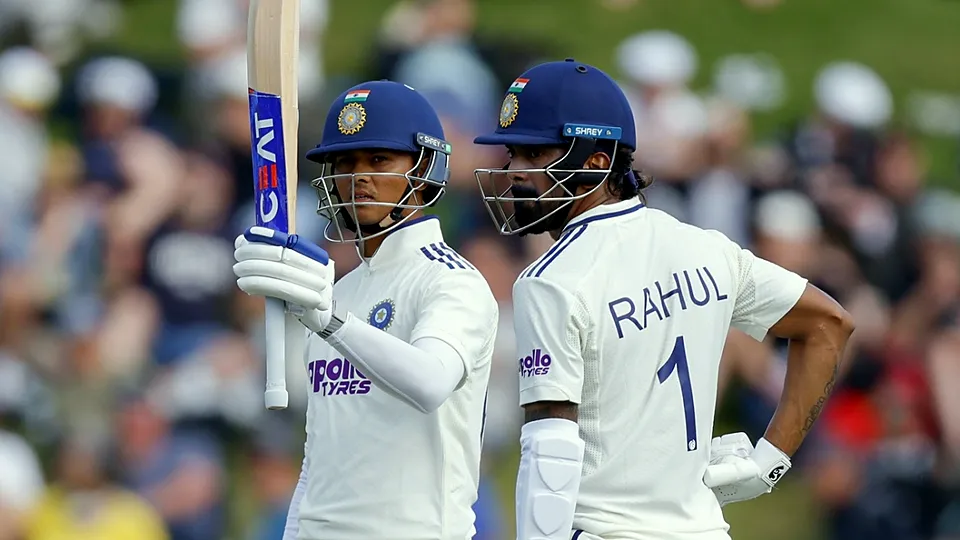
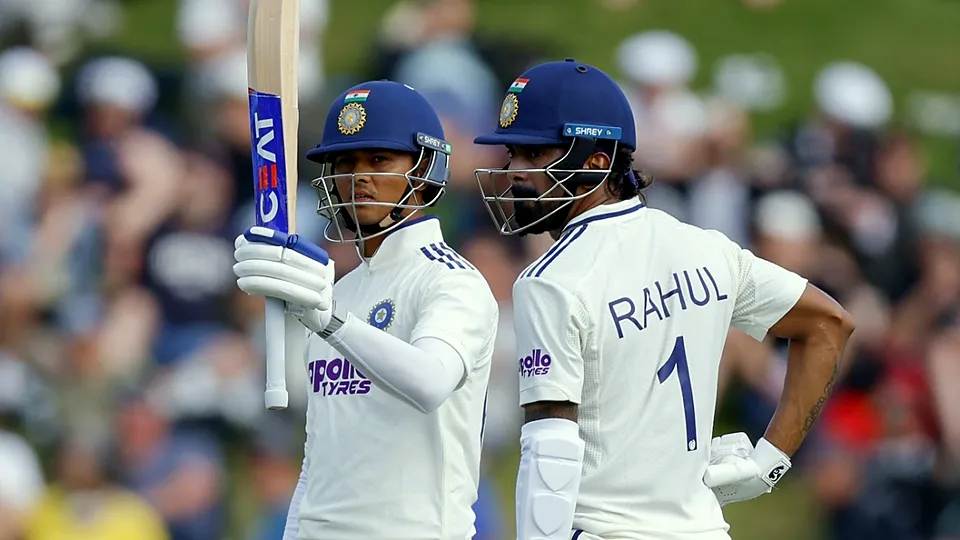
Conventional commentary will tell you Jaiswal (85) and KL Rahul (52 not out) just “played good cricket.” I disagree. They played into a gap that opened up specifically between the 7th and 15th over. Look at the economy rates. New Zealand’s quicks bowled at a standard 6.2-6.5 rpo during the first 6 overs, keeping the run rate manageable. But once the hard length started skidding on, the numbers changed. The seamers were forced to back off, and that is where the spinners ate them alive.
It is not just about hitting boundaries. It is about boundary-percentage on the off side. Jaiswal found the gap early, but Rahul’s 52 not out was built on patience against a ball that would not turn much but would not stop. The match was decided not by the wickets, but by the inability of the Indian bowlers to take the final few to secure the target. A frustrating grind.
Phase-by-Phase Surface Analysis
To understand why the openers looked so comfortable, we have to look at the venue’s behavior. This was not a green top, nor was it a flat deck. It was a sticky red-soil track that promised movement only for the first 20 overs. After that, the surface packed down, and the skiddy hard length became the primary threat. New Zealand’s first innings fell to 368 because their middle-order couldn’t handle the change in surface conditions. They were stuck between the seam and the spin, unable to commit to either line.
| Phase / Overs | New Zealand Economy | Key Surface Behavior |
|---|---|---|
| 1-6 (New Ball) | 6.1 | Good seam, bounce, some turn |
| 7-15 (Settle) | 5.4 | Packed surface, skiddy pace, spin grips |
| 16+ (Late) | 7.2 | Dew minimal, surface hard, boundaries easier |
The 5.4 rpo economy in the middle overs is the smoking gun. It shows the bowlers struggled to find variation. When you are bowling into the pitch and the ball is moving away from the right-hander, the off side is wide open. Jaiswal saw that. Rahul capitalized on it. The rest of the side? They were caught in the transition.
“The track was not a pushover. It was a deceiver. It gave you what you wanted, then took it away. That is the nature of these modern red-soil pitches.”
- Analysis from the Chennai Desk
What the Numbers Say About the Comeback
India’s 130-run stand for the first wicket was not just about running; it was about survival. The margin of safety they built allowed the tail to come in. But let’s be honest, if the 7th to 15th over had been bailed differently, this match might have gone the other way. The Impact Player gamble paid off because the sub came on with the new ball, and the surface was at its most tricky. No one in the dugout bought the excuse that they “just got lucky.” It was calculated risk against a known variable. The venue’s dew bias was negligible, but the dryness was fatal for the New Zealand pace attack. They were bowled on a surface that did not want to help them. Sometimes, you just have to accept that the pitch is the most honest critic in the game. It tells you the truth, even if you do not like it.
This is what a proper cricket match pitch report should highlight. Not just the scores, but the conditions that made the scores possible. The next time you see a similar track, look for the 7-15 over window. That is where the match is usually won or lost. Not in the first over, not in the last, but in the messy middle where the surface decides who is in control.
Related coverage
- Sticky Track, Sharp Edges: India's Third T20 Title Pitch Report
- Sooryavanshi's Call: Why the New Jersey Signals a Tactical Shift in Middle-Order Logic

Updated 2026-11-25 · Instant Rupee Deposits & 60s Withdrawals · 24/7 Support.
Access Official DierdorfHarts Portal →Senior Match & Odds Strategist · Ahmedabad Desk
Pranav Saxena has covered Indian cricket and digital sports from Ahmedabad for over a decade. At DierdorfHarts (dierdorfharts.com), he leads investigative coverage on cricket match pitch report, live match dynamics, and tournament strategy.
Reader Discussion & Match Reactions (4)4.8★ Community (4 Comments)
Verified Indian cricket reader perspectives & tactical debate on dierdorfharts.com
The article ignores the Ranji state players feeding into the domestic circuit. While Jaiswal gets headlines, the grassroots pathways in NE remain invisible despite the new ball dynamics. Where is the focus on state selectors adapting to skiddy pitches?
Economy rates jumping from 6.2 to over 6.5 rpo in the middle overs is a significant deviation. Tracking the hard length skid against Jaiswal’s 85 shows exactly where the batting gap opened up between overs 7 and 15.
Stop blaming the board. The issue is the spin bias and inability to defend the target. If selectors keep picking players who cannot handle skidding surfaces in the middle phase, we will keep losing these chokes. It is a risk.
@Anirudh_Guwahati You miss the point, it is not just state players. Rahul’s 52 not out was built on patience against a ball that would not turn but would not stop. That specific tactical gap allowed India to build the comeback.
Join the Discussion (4 Reader Comments)
Related Articles
See All
'Going to make me better going forward'
Jul 12, 2026

Ojha century, and Yashbardhan and Manal fifties rescue India Under
Jul 21, 2026
Short's 94* in vain as Powell's 15
Jul 16, 2026