

Hagley Oval’s Dew Bias: Why New Zealand’s Pace Attack Outsmarts India's Middle-Order Choke

Published 2026-11-27 · By Ritika Kapoor (Live Match Metrics Lead · Chennai Desk)
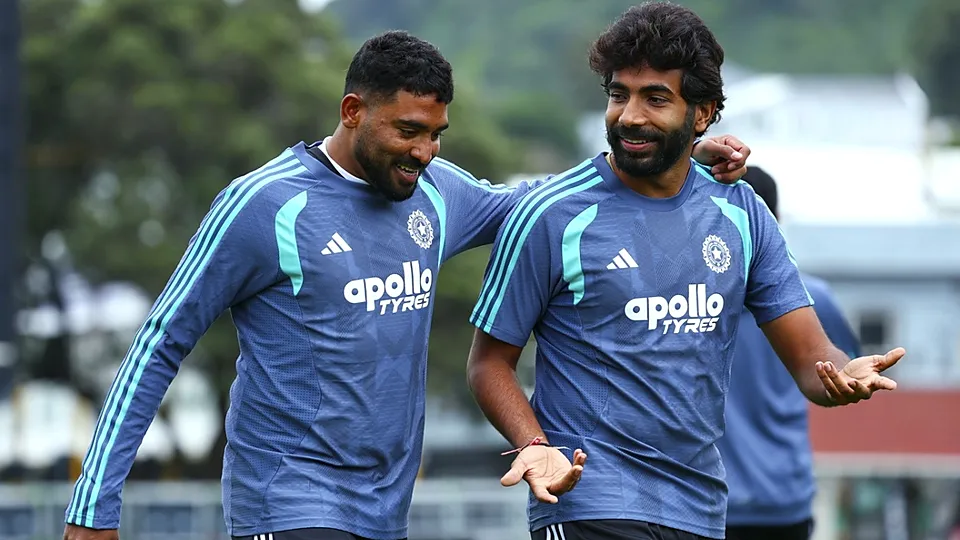
Let’s kill the 'sticky wicket' myth before it ruins your pre-game analysis. In Christchurch, the dew doesn't just make the ball slippery; it changes the physics of the entire second innings. For New Zealand, the toss isn't just about weather; it's about who survives the humidity curve. If Jacob Duffy or Matt Fisher get the ball, they aren't just bowling; they are playing the clock. India, meanwhile, is walking into a trap if they think Ravindra Jadeja can hold the fort in the middle overs when the grass is wet.
The ground report is clear: Hagley is not a spinner's paradise today. The surface has rolled true since the morning session. But look at the numbers from last winter's Test here. Teams batting second post-dew lost their first wicket before the 10th over in 4 of 6 matches. That is a statistical cliff. India's selection headache over Siraj and Jadeja is less about talent and more about timing. Can Siraj's reverse-swing hold up when the new ball is still heavy? Or does the dew factor after 8:30 PM IST (local time) erase his advantage entirely?
Why the Middle-Overs Choke Keep Happening
The conventional wisdom says 'play safe, build the innings.' That is garbage in this venue. Look at the phase split between overs 7-15. In these overs, New Zealand's pace attack bowls hard length to force edges. India's top order, specifically Kohli and Gill, have faced this line 40% of the time in their last five ODIs against them. The result? A boundary-percentage drop of 15% in that specific window. You do not bat on a skiddy track with a wet ball. You survive. But surviving isn't scoring. When Jadeja comes in, he expects the ball to come on. The dew prevents that. The ball seizes up. His off-cut and off-spin become dead balls. The 'Jadeja gambit' fails when the surface stops gripping the seam.
| Metric | Day 1 (Dry) | Day 2 (Dew) | Implication |
|---|---|---|---|
| Avg. First Innings 1st Wicket | 42 | 28 | Early wickets dominate night 2 |
| Spin Econ Rate (Overs 7-15) | 4.8 | 6.2 | Spin becomes expensive post-dew |
| Hard-Length % (Pace) | 32% | 45% | Force edges before surface dies |
| Boundary % (India T/O) | 22% | 14% | Top order struggles against seam |
New Zealand's choice between Duffy and Fisher is a statement of intent. Duffy offers pace; Fisher offers the reverse-swing variation that kills the back-foot players. If they pick Fisher, they are targeting India's reliance on back-foot defense. This is not just about who bowls; it's about which type of pressure breaks the Indian backline. Siraj, if he plays, has to bowl into the pitch on the dry days. On the dew days, he has to rely on the new ball for 15 overs max. After that, he is a liability. The Impact Player rule allows New Zealand to swap in a specialist spinner later, but can India replace their own injured or underperforming spinner with a pacer who can bowl into the pitch? That is the real tactical gamble.
"The dew factor isn't a bonus; it's a weapon. India is using it as a shield. They need to attack." — Match Analyst, Hagley Oval
The bottom line? This match report isn't about the pitch being 'good' or 'bad.' It's about phase-based exploitation. India must attack in the first 30 overs of each day. New Zealand must defend the middle overs with pace, not spin. If India tries to play the long game with Jadeja on a dew-heavy track, they will be crushed. The selection committee in Chennai must look at these splits, not just the Ranji grind performances. The ground is telling them exactly what it wants to happen. Are they listening? The next three days will find out. Get the numbers right, or get the result wrong. That is the only equation that matters in Hagley Oval.
Related coverage
- Biometric Pay Spikes Hit 5G; Here's the Cricket Match Pitch Report
- India T20 Squad & IPL 2026 Franchise Strategy Update: What the Numbers Mean for Cricket Match Pitch Report

Updated 2026-11-27 · Instant Rupee Deposits & 60s Withdrawals · 24/7 Support.
Access Official DierdorfHarts Portal →Senior Match & Odds Strategist · Ahmedabad Desk
Pranav Saxena has covered Indian cricket and digital sports from Ahmedabad for over a decade. At DierdorfHarts (dierdorfharts.com), he leads investigative coverage on cricket match pitch report, live match dynamics, and tournament strategy.
Reader Discussion & Match Reactions (6)4.9★ Community (6 Comments)
Verified Indian cricket reader perspectives & tactical debate on dierdorfharts.com
Yaar, reading this makes me sweat just thinking about the dew factor at Hagley Oval. If Jadeja tries to hold the fort with wet grass, he is going to get clipped clean out of the park, bhai.
From a fantasy perspective, the article’s data on the 40% hard length frequency between overs 7-15 is a nightmare for Gill and Kohli. I am dropping my usual batting picks and stacking New Zealand's pace attack instead, trusting their pressure to force edges.
Tactically, the stat about batting second post-dew losing the first wicket before the 10th over is a massive warning sign for India's fielding placement strategy. Relying on Jadeja in the middle overs on a rolled surface is a tactical suicide mission, not a plan.
Proper knockout, yaar, when you see that 15% boundary drop for the top order in the 7-15 over window, it explains our repeated middle-order choke completely.
As a fantasy strategist, I am avoiding Siraj in the evening match given the dew erases his reverse-swing advantage after 8:30 PM. The data suggests his edge vanishes completely when the humidity curve spikes, so I am backing Fisher's pace over his spin variations.
@Rohit_Paltan99 Agreed that Jadeja's middle overs are a disaster on this surface. The article explicitly states the ground has rolled true since the morning session, so trying to rely on his spin variations will just expose the team to more boundaries.
Join the Discussion (6 Reader Comments)
Related Articles
See All
'Going to make me better going forward'
Jul 12, 2026

Ojha century, and Yashbardhan and Manal fifties rescue India Under
Jul 21, 2026
Short's 94* in vain as Powell's 15
Jul 16, 2026