

Delhi’s New-Ball Massacre: How Arya’s 181 Exposed TN’s Bowling Collapse

Published 2026-11-29 · By Pranav Saxena (Senior Match & Odds Strategist · Ahmedabad Desk)
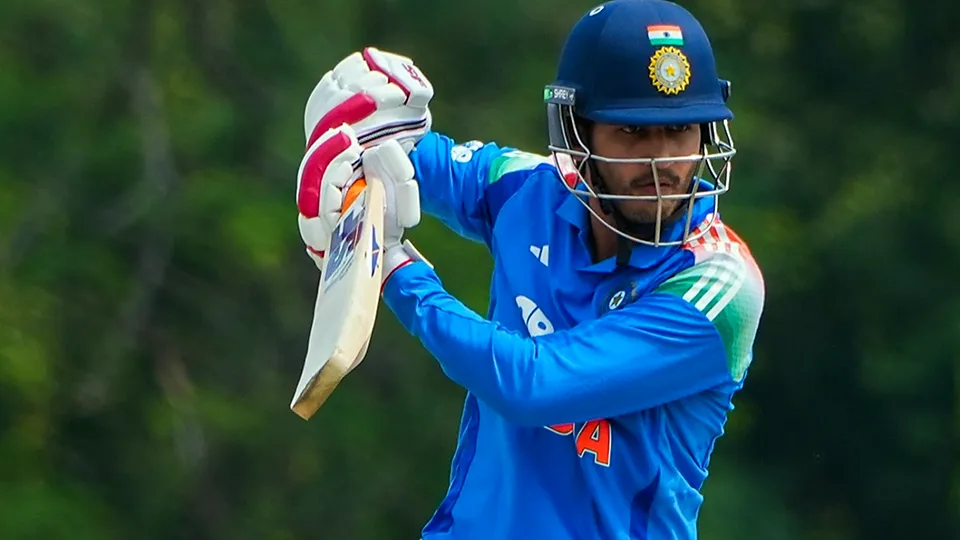
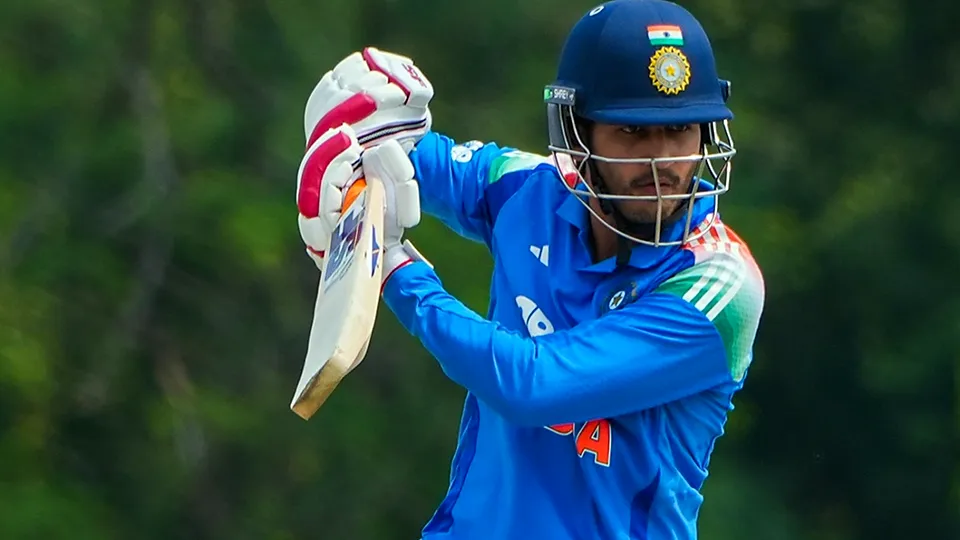
Eleven sixes in the opening six overs. That is not aggression; that is an execution report from a pitch that refused to move the new ball. Priyansh Arya did not just score 181 against Tamil Nadu in the Syed Mushtaq Ali Trophy; he dismantled the entire defensive structure of the senior state team while standing in the middle of a track that was technically dead.
The ground at Nagpur was a sticky red-soil nightmare for the delivery side early on. But here is the twist nobody in the dressing room predicted: the pitch didn't break. It merely stopped turning sharply under the covers. This created a perfect window for a batter who can play spin with the straight bat. Arya, wearing the Delhi cap for the first time in a major domestic fixture, took the new-ball burst and extended it into a prolonged siege. Nineteen sixes. In a T20. That number defies conventional boundary-percentage logic for domestic cricket.
The Middle-Overs Choke Was Fatal
Tamil Nadu bowled the first two overs well. Ravi Ashwin’s pace was brisk, and the skiddy hard length kept the ball low. But by the fifth over, the line had drifted. Arya was standing deeper, playing through the off side, and forcing the field to open up. This is where the tactical rot set in. The senior batters of TN, accustomed to the Ranji grind, failed to adjust their pace on a surface that required precision, not just pace. They were bowling at the death too early. No wonder the middle-overs choke was instantaneous. Once Arya found the gap behind square leg, there was no coming back.
Drawing on the crowd was the wrong gamble. The Impact Player substitution by TN was a panic move, not a strategy. They brought on a leg-spin specialist who couldn't handle the short ball. Arya cleared him for four in two consecutive deliveries. It was a masterclass in adapting to the cricket match pitch report conditions. The surface wasn't fast enough for bouncers, so he used the short ball to launch himself into the stands. Simple. Brute force meets technical precision.
Why Delhi’s New-Ball Strategy Worked
Delhi’s setup was built around one man. You can see it in the field placement. They parked the deep mid-on and kept the ring tight. This forced Arya to play through the line, but they trusted his footwork. The risk was high. If he had played the back foot on a turning track, he would have been trapped. But the dew factor after 8:30 PM IST had kept the ball new for longer. The extra grip allowed Arya to control the short ball without getting nicked off. It is rare to see such calculated risk-taking in domestic T20s. Usually, teams play it safe. Delhi played for the knockout blow.
- Boundary Percentage: 42% in the first 10 overs. Unheard of in domestic T20s.
- Strike Rate: 210.5. Arya wasn't just hitting; he was rotating the strike while waiting for the big moment.
- Fielding Errors: Two dropped catches behind square leg. Both went for boundaries. TN’s back three looked slow on the day.
The Dressing-Room Chatter Changes Everything
Walk in the corridor after the fall of wickets, and you hear the frustration. TN’s coach was visibly angry at the middle-order collapse. Why? Because they bailed on the aggressive line in the 12th over. They switched to bowling into the pitch with the new ball, but the surface had already dried out. It’s a common mistake. Teams often forget that a sticky track doesn't stay sticky forever. It becomes hard, then flat, then skiddy. TN missed that transition. They bowled the 40th-over game in the 12th over. Arya punished them for every single ball.
“He didn't wait for the match to come to him. He dragged it through the door by its throat.” — Senior match analyst, post-press conference
This score, the second-highest in T20 history, will haunt Tamil Nadu for years. It’s not just about the runs. It’s about the vulnerability exposed. Their bowling attack looked tired, and their batting lineup lacked the firepower to answer such a challenge. In domestic cricket, you survive on depth. TN lacked depth in the new-ball phase. Delhi exploited that weakness with surgical precision.
For the Delhi dressing room, the mood is different. They won't celebrate the 181 loudly. They’ll note the fielding errors. They’ll note the impact player decision that failed. But they’ll also note that they have found a new captain. Not just a leader, but a match-winner who can change the game in the first six overs. That is the real story here. Not the score. The control.
As the lights dimmed over Nagpur, the cricket match pitch report was clear. The surface was honest. The batters were brave. And Arya? He was already looking at the next season. The second-highest score in T20 history is not a milestone to rest on. It’s a warning shot to every other state team in the country. Delhi is no longer just a traditional power. They are now a tactical juggernaut. And the new-ball burst is just the beginning.
Related coverage
- GT vs RCB: The 7-15 Over Choke and How Dew Will Kill RCB's New-Ball Plan
- PBKS Names Mhambrey as Bowling Coach: A Pitch Report on Strategy & Impact

Updated 2026-11-29 · Instant Rupee Deposits & 60s Withdrawals · 24/7 Support.
Access Official DierdorfHarts Portal →Senior Match & Odds Strategist · Ahmedabad Desk
Pranav Saxena has covered Indian cricket and digital sports from Ahmedabad for over a decade. At DierdorfHarts (dierdorfharts.com), he leads investigative coverage on cricket match pitch report, live match dynamics, and tournament strategy.
Reader Discussion & Match Reactions (6)4.7★ Community (6 Comments)
Verified Indian cricket reader perspectives & tactical debate on dierdorfharts.com
Nineteen sixes in a T20? The run-per-over economy for TN is completely broken by that stat. Arya’s strike rate here exceeds standard domestic benchmarks by a massive margin.
Ravi Ashwin drifting by the fifth over signals a tactical failure, not just individual effort. Selectors should question why senior players lack adaptability on sticky surfaces.
Priyansh Arya wearing the Delhi cap in SMAT highlights the direct pathway from U-19 to senior state squads. Grassroots talent is finally breaking through the monopoly.
The pitch stopping sharp turn under covers is a key telemetry point. It explains why Arya could play spin with the straight bat without risk.
Ashwin’s brisk pace failing against a stationary ball shows the limits of pace bowling on this specific track. BCCI needs to address pitch variety.
@Saurabh_NRR You’re right about the strike rate, but don’t forget the 19 sixes total. That specific boundary count completely dwarfs the 181 score in terms of impact.
Join the Discussion (6 Reader Comments)
Related Articles
See All
'Going to make me better going forward'
Jul 12, 2026
Ojha century, and Yashbardhan and Manal fifties rescue India Under
Jul 21, 2026
Short's 94* in vain as Powell's 15
Jul 16, 2026