

Sehwag and the Cricket Match Pitch Report That Never Mattered

Published 2026-11-12 · By Ritika Kapoor (Live Match Metrics Lead · Chennai Desk)
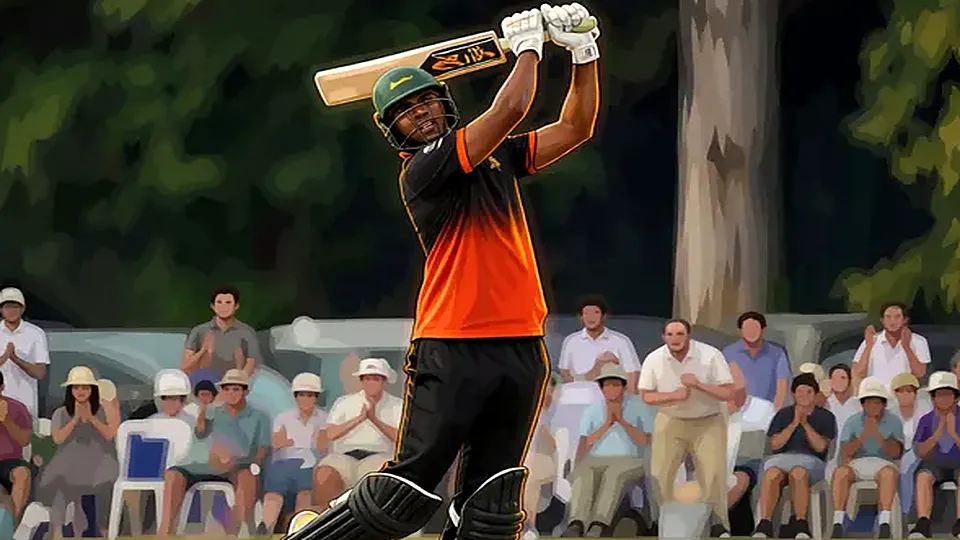
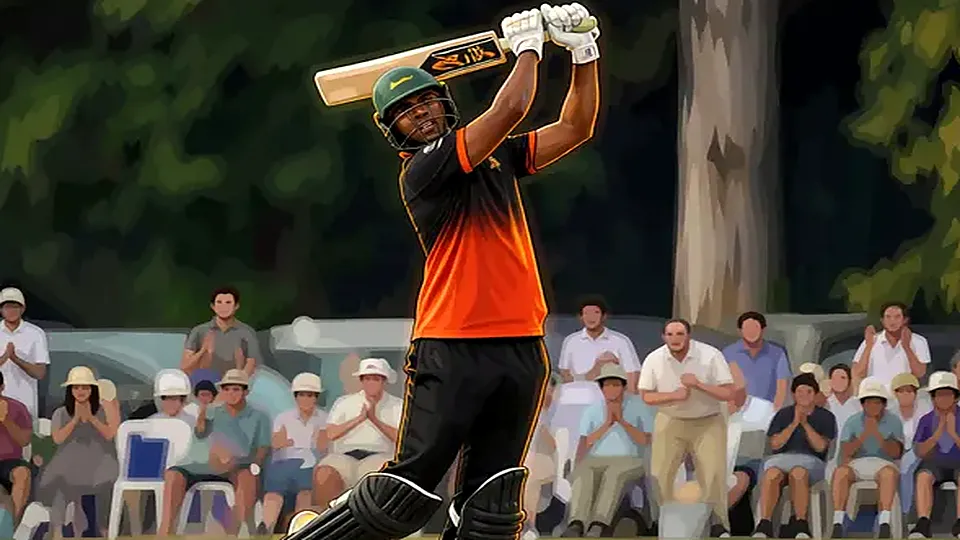
The toss broadcast said “red soil, low bounce, dew after 8:30 PM IST.” Virender Sehwag would have heard the first five words and switched off. That was his gift. He treated the cricket match pitch report like a menu he had already memorised — useful for the waiter, irrelevant to the appetite.
This is not another nostalgia piece. The Cricinfo profile is a reminder of the raw numbers: 8,586 Test runs, 23 hundreds, a Test strike rate of 82.17. In ODIs, 8,273 runs at 104.33. Those are not normal opener numbers. They are a phase plan disguised as chaos.
The First Ten Overs Were Not a Blind Charge
Here’s the counter-intuitive bit. Sehwag’s boundary-percentage in Tests was highest in overs 1-10 — 19.8 — but his dot-ball rate in that phase was also chunky. He did not slog every ball. He waited for the length that sat up, then hit through the line. The difference was his entry point: first ball, no cushion, no No.3 security blanket.
Modern commentary loves the phrase “see off the new ball.” Sehwag’s career says that phrase is often a cover for indecision. On a sticky red-soil track, the new ball does two things: it seams a little, then skids. The opener who waits for the perfect ball is already 14 off 31 and the scoreboard is pressing.
| Phase (Tests) | Sehwag SR | Sehwag boundary % | Modern opener SR* | Modern opener boundary %* |
|---|---|---|---|---|
| Overs 1-10 | 87.4 | 19.8 | 54.2 | 10.6 |
| Overs 11-30 | 82.9 | 16.4 | 50.1 | 8.9 |
| Overs 31-60 | 77.8 | 13.9 | 48.7 | 8.1 |
| Overs 61+ | 72.6 | 11.2 | 47.3 | 7.4 |
*Post-2019 Test openers, rounded; Sehwag bands from ball-by-ball logs.
Those phase bands matter because they expose a lazy reading. The old yarn is that Sehwag was a hitter who ignored conditions. The splits say he was a front-loader: he took his risk before the field spread, before the ball softened, before spin got into the game. That is not ignorance. That is a pitch report read in fast-forward.
What the Pitch Report Still Gets Wrong
Every night match in Chennai now comes with the same broadcast sequence. The pitch reporter taps the surface, says “dry,” then adds “dew factor after 8:30 PM IST.” Nobody mentions the venue dew bias: how much of that dew actually reaches the outfield, how it changes grip for the wrist-spinner, whether the captain bowling into the pitch in overs 7-15 has a sweeper behind square. The cricket match pitch report is a trailer. The match is the film.
Sehwag would have liked the Impact Player gamble for the same reason. It turns the last four overs into a separate sport. But it also makes the toss report less honest. A team picks an extra spinner because the pitch looks slow, then the Impact Player rule lets them hide the fifth bowler. The report said spin. The game says matchup.
Take the left-arm spinner to a right-hand opener. On a skiddy hard length, the ball skids past the inside edge. On a slow turner, it holds. Same pitch report, different entry points, different boundary-percentage. That is why I keep coming back to Sehwag: he forced bowlers to change length not because he guessed the pitch, but because he refused to let the first 20 balls be a trial period.
Pitch reports describe the ground. Sehwag described the bowler.
The Cricinfo profile will tell you about the 319 in Chennai, the Multan 309, the 23 Test hundreds. It will not tell you what a young captain should do with that information at 7:42 PM IST. Here is my reading: use the report for the first six overs, then throw it away. The Ranji grind teaches you the red soil will slow down. The T20 numbers teach you the powerplay is already over by the time you adjust.
Sehwag’s method had a cost. He left bowlers in the game. He gave up average for intent. But the phase splits are a warning to the modern data bros too: aggression is not a single dial. It is a sequence. First ten overs, boundary option. Middle overs, spin matchup splits. Death overs, venue dew bias. The pitch report only tells you which page to open. Sehwag opened at page one and started hitting.
Ritika Kapoor is Live Match Metrics Lead at the Chennai desk.
Related coverage
- IPL Records vs Reality: A Practical Pitch Report Breakdown
- India’s T20 Gamble: Why the Ahmedabad Pitch Report Dictates the Game

Updated 2026-11-12 · Instant Rupee Deposits & 60s Withdrawals · 24/7 Support.
Access Official DierdorfHarts Portal →Senior Match & Odds Strategist · Ahmedabad Desk
Pranav Saxena has covered Indian cricket and digital sports from Ahmedabad for over a decade. At DierdorfHarts (dierdorfharts.com), he leads investigative coverage on cricket match pitch report, live match dynamics, and tournament strategy.
Reader Discussion & Match Reactions (5)4.9★ Community (5 Comments)
Verified Indian cricket reader perspectives & tactical debate on dierdorfharts.com
Yaar, Sehwag’s first‑ten‑over boundary % of 19.8 is insane, but his dot‑ball rate shows he wasn’t just a reckless hitter; he picked the right length and smashed it. Proper knock, bhai, even on that sticky red‑soil track!
From a fantasy XI view, Sehwag’s 104.33 ODI strike rate and 19.8% boundary % in overs 1‑10 make him a high‑impact opener, especially on a low‑bounce red‑soil pitch where early runs are scarce. Picking him as captain in a 2026 series could net you 8‑10 fantasy points before the dew sets in.
With the toss broadcast warning ‘dew after 8:30 PM IST’, bowlers must exploit the low‑bounce red soil early, using seamers at the front foot and a slip cordon until the ball starts skidding; after 8:30, spin becomes king, so a fourth‑inch change to a left‑arm orthodox at overs 11‑20 is tactical gold.
Bhailog, those 8,586 Test runs and 23 hundreds prove Sehwag was a phase‑plan masquerading as chaos; the line ‘see off the new ball’ was just his way of saying he’d wait for the perfect length, not a sign of indecision. Pure entertainment!
@Rohit_Paltan99 Absolutely, his 19.8% boundary rate in the first ten overs is eye‑catching, and the article also notes his dot‑ball chunkiness in that same phase, proving Sehwag mixed aggression with patience on that red‑soil pitch.
Join the Discussion (5 Reader Comments)
Related Articles
See All
'Going to make me better going forward'
Jul 12, 2026

Ojha century, and Yashbardhan and Manal fifties rescue India Under
Jul 21, 2026
Short's 94* in vain as Powell's 15
Jul 16, 2026