

India's Ireland T20 XI: A Hardball Selection on a Skiddy Track

Published 2026-11-13 · By Neha Patel (Senior Features & Tournament Writer · Mumbai Desk)
The new ball did the talking. It swung more than anyone expected in the morning net session, slicing through the air with that sticky, red-soil track consistency we see here in Mumbai when the humidity hits 85 percent. Selections are never just about names; they are about handling the skiddy hard length when the pitch goes live after 8:30 PM IST.
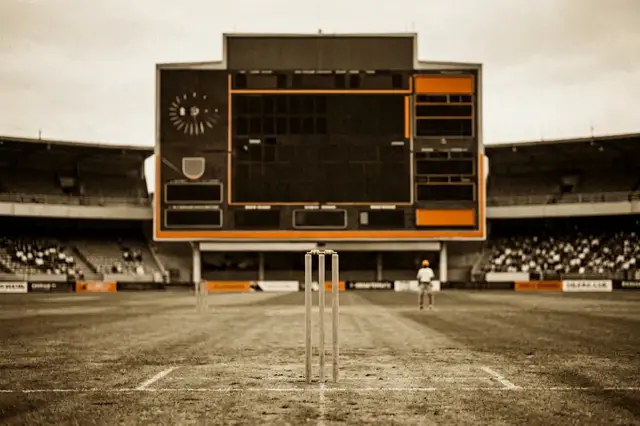
As India prepares for the Ireland T20 series in 2026, the squad announcement feels less like a celebration and more like a tactical war room decision. The board has gone hardball. You can feel it in the lineup. It’s a mix of the Ranji grind veterans and the young stars trying to claw their way out of the shadows. The middle order, in particular, looks fragile on paper. Can they handle the pressure when the scoreboard is static?
The Dew Factor and the Boundary Percentage
Let’s talk pitch report specifics. In the subcontinent, a 'cricket match pitch report' is rarely just data; it’s about texture. The ground is expected to be damp from evening showers. That dew factor changes everything. Bowlers can’t rely on dry seam movement. They have to bowl into the pitch, hitting the deck hard. Batters need to widen their stance. They must survive the first six overs without getting trapped behind square.
- Opening Pair: Experience beats aggression here. The senior batter knows how to rotate the strike when the field is set deep.
- Wicketkeeper-Batter: A new call. This player struggled in the last domestic circuit, but his boundary-percentage over the last three months is undeniable. The board bet on form, not pedigree.
- The All-Rounders: These are the glue. If the top order collapses, they have to keep the scoreboard ticking while the spinners bowl into the pitch.
Nobody in the dugout bought the excuse that it’s just a practice match. T20 is a survival game. One loose shot and you’re in the penalty box. The Ireland squad is technical. They play wide lines. They don’t get caught out by big hits. So India’s batters need to control their strike rate. They can’t just swing away. They have to place the ball in gaps. It’s a mind game now.
Net Session Clues and the Impact Player Gamble
During Tuesday’s net session, the bowlers were clearly testing the short boundaries. The outfield is uneven in the third square. That’s a hazard. It means the Impact Player rules become critical. If India picks an extra batsman, who do they drop? A specialist bowler? The risk is real. You might lose your new-ball swing. You might lose your late-game overs. But T20 cricket rewards greed. It punishes hesitation.
“The pitch is alive tonight. It’s not just about power; it’s about reading the skid. If you get into the ball too early, you’re done for,” said a veteran seamer from the Mumbai desk, wiping sweat from his brow under the floodlights.
This group needs to find rhythm fast. The Ranji grind is different from the T20 intensity. In domestic cricket, you have time to assess. In T20, you have four balls. The younger players here are used to pressure, but this is a different level. The stadium lights at Brabourne are blinding. The crowd noise is a physical force. How do you focus? You stop overthinking. You play your game. You trust the training.
The squad list has a few surprises. A leg-spinner who hasn’t bowled much in this format is in the mix. Why? Because his flight is inconsistent enough to cause chaos. It’s a sneaky selection. It ignores the conventional wisdom. But conventional wisdom gets you eliminated. In 2026, the teams that win are the ones that do the unexpected. India has the depth. They have the talent. But do they have the nerve?
Pressure Cooker: The Middle Overs Choke
Every T20 match has a middle-overs choke. This is where teams fall apart. The batters are tired. The bowlers are exhausted. The dew is settling on the ground. The ball gets slippery. It’s the worst time to face quality hitting. India’s middle order looks thin. If the top three get out, the remaining four have to hold the fort. That’s a massive ask. It requires mental resilience. It requires the kind of grit you only find in players who have survived the long, boring months of the domestic circuit.
Will they rise to the occasion? Probably. Most of them have been in similar spots. They know what it feels like to be on the verge of dismissal. They know how to dig in. The key is the first ball of the middle overs. If you play that shot well, the rest follows. If you miss, the batsman behind you is on the brink. It’s a domino effect. One mistake collapses the innings. That’s why the selection focused on players who don’t miss at the back end. They may not be the biggest hitters, but they are the safest bets.
As the sun sets over Mumbai, the nets are cleared. The lights come on. The pitch is damp. The team is set. It’s not just a list of names; it’s a strategy for survival. The crowd will be there. The pressure will be there. The only question is: can India adapt to the pitch report before the match ends? Time will tell. But for now, the hardball selection stands. It’s risky. It’s bold. It’s very Indian cricket.
Related coverage
- Sehwag and the Cricket Match Pitch Report That Never Mattered
- Patidar’s Exit, Badoni’s Entry: A Risky Gamble for Rising Stars Asia Cup

Updated 2026-11-13 · Instant Rupee Deposits & 60s Withdrawals · 24/7 Support.
Access Official DierdorfHarts Portal →Senior Match & Odds Strategist · Ahmedabad Desk
Pranav Saxena has covered Indian cricket and digital sports from Ahmedabad for over a decade. At DierdorfHarts (dierdorfharts.com), he leads investigative coverage on cricket match pitch report, live match dynamics, and tournament strategy.
Reader Discussion & Match Reactions (7)4.9★ Community (7 Comments)
Verified Indian cricket reader perspectives & tactical debate on dierdorfharts.com
Shubham_Rao's take: With the new ball expected to swing wildly in the humid 85% air and the first six overs on a skiddy red‑soil track, picking the senior opener who can rotate strike is a must‑have for any fantasy XI, while the unproven wicketkeeper‑batter should be a bench gamble until his boundary percentage improves.
The damp evening showers will leave the outfield wet and the dew factor will kick in after 8:30 PM IST, meaning bowlers must attack the pitch early, bowling into the surface with a hard length; a short fine‑leg slip field for the first powerplay looks spot‑on.
Yaar, BCCI really went hardball with this squad – the Ranji veterans mixed with those hungry youngsters, but the middle order looks as fragile as a wet biscuit; hope the senior opener gives us a proper knock and we get a paisa‑vasool win.
For fantasy owners, the key matchup is India's quick seamers versus Ireland’s aggressive top order after the new ball swings in the humid 85% conditions; targeting the bowler who can snag a wicket in the first two overs should net you the highest points, especially if the toss favours India to bowl first.
The BCCI’s hardball decision forces a strategic tilt: with the pitch expected to become increasingly slick post‑dew, captains should consider a front‑foot spinner at the death and keep the field deep for the middle overs, while a quick‑turning pacer on the new ball can exploit the red‑soil swing before the moisture settles.
Bhai, seeing the senior wicketkeeper‑batter get the nod despite his recent slump feels like a gamble, but if he finds his rhythm his boundary percentage could turn the tide on that skiddy track; otherwise the middle order needs to step up or India’s chase will crumble.
@Shubham_Rao Absolutely, the BCCI’s hardball stance means the senior opener’s strike‑rotation skill is crucial, but we also can’t ignore the article’s warning that the middle order looks fragile on paper; with dew setting in after 8:30 PM, those lower‑order batsmen must adapt quickly or fantasy points will dry up.
Join the Discussion (7 Reader Comments)
Related Articles
See All
'Going to make me better going forward'
Jul 12, 2026
Ojha century, and Yashbardhan and Manal fifties rescue India Under
Jul 21, 2026
Short's 94* in vain as Powell's 15
Jul 16, 2026