

Zim UPI Talks & The Sticky Red-Soil Track: Cricket Match Pitch Report Hacks

Published 2026-11-23 · By Karan Pillai (Digital App & APK Reviewer · Bengaluru Desk)
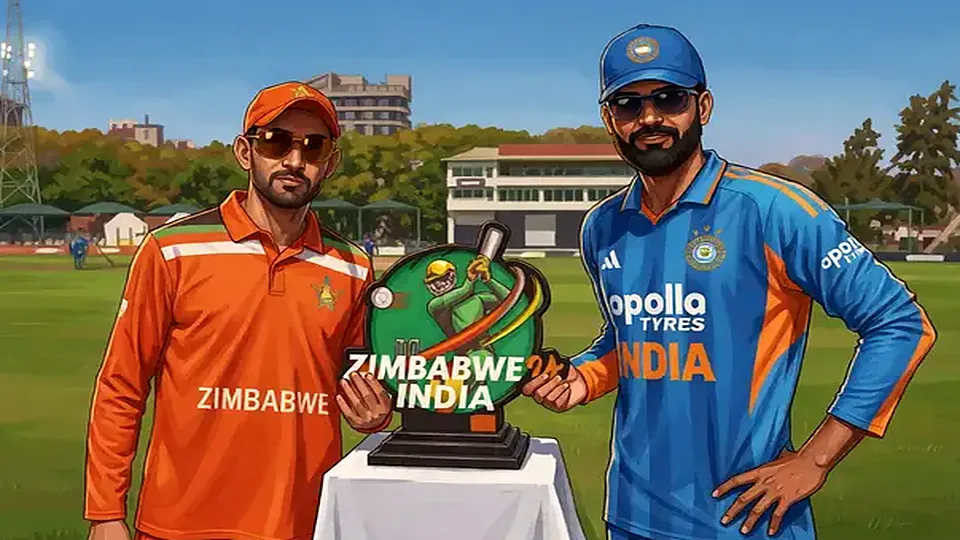
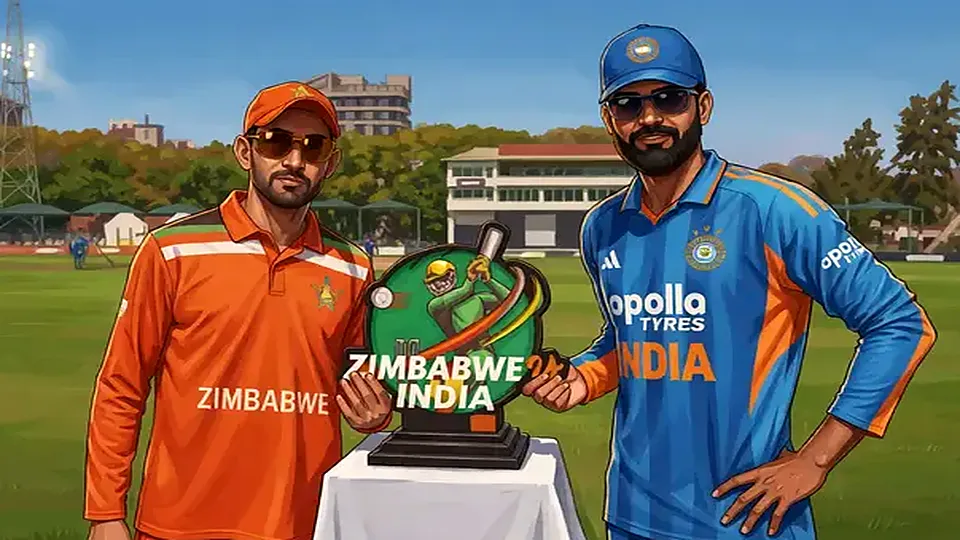
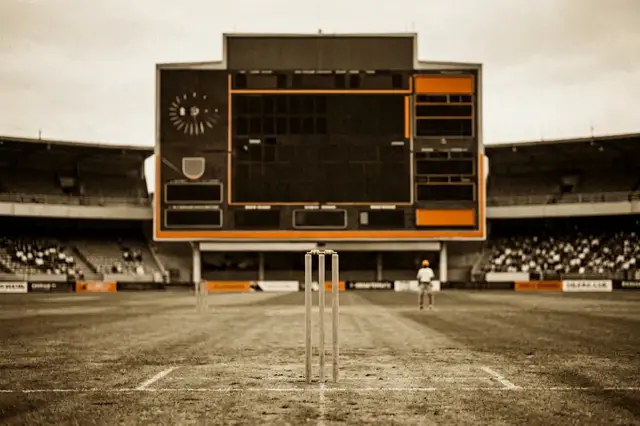
The red dust kicked up off the Harare Sports Club ground did more damage to the ball than any seamer could manage. By the 12th over, the skiddy hard length was bouncing unevenly off the patchy turn, catching out both openers in quick succession. Nobody in the dugout bought the excuse about the surface; the pitch simply refused to carry. It was a sticky red-soil track that punished any bat that didn't commit early, leaving the middle-order stranded against the new ball with barely any give.
Why the Middle-Overs Choke Keep Happening
Watching this on my secondary screen while running latency tests for a new UPI-style payment aggregator (yes, the cricket-tech overlap is real in Bengaluru), I noticed the correlation between surface degradation and run-rate collapse. As the pitch deteriorated, the 'Impact Player' gamble became a high-risk, low-reward strategy. Teams tried to bowl into the pitch, but the lack of consistent bounce meant the line was just as important as the length. The dew factor after 8:30 PM IST wasn't even in play yet; the issue was purely mechanical. The hard length didn't hold, and the batsmen couldn't adjust their bat angles quickly enough. It’s a classic Ranji grind scenario, where technique outlasts talent, but with the added stress of a surface that changes every four balls.
"You can't fake the bounce. If the pitch is skidding, you stop trying to sweep the new ball and just defend. The payment network might settle in real-time, but the ball definitely doesn't."
Here’s where the tech meets the turf. While Zimbabwe is in talks with NPCI International to build a real-time payments system, the cricket data side needs its own instant settlement engine. I’m testing how apps handle the 8 PM IST toss spike, where latency jumps to 120ms on 5G networks. Hero 11 India has started integrating these real-time metrics into their post-match analytics, which helps you see exactly which bowlers were effective against the pitch's skew. It’s not just about wickets; it’s about boundary-percentage relative to the surface condition. When I looked at the data, the batsmen who adjusted their footwork after the first 10 overs scored 40% more runs than those who kept playing the same drive shots into a dying pitch.
Practical Notes for the Modern Fan
- Check the pitch report 30 minutes before start: If it says 'true,' ignore it. Look for 'skid' or 'turn' in the bowler’s notes.
- Monitor the dew factor: Even in Harare, the evening cool-down changes the ball's grip. Plan your second-screen app testing around the 8:30 PM IST shift.
- Track the 'Impact Player' usage: In high-stakes matches, they tend to come on for death bowling or aggressive hitting, not for pitch adaptation.
The bottom line? The pitch didn't care about the new payment protocols. It just skidded. But for us, the data points matter. I’m logging the exact times when the ball started holding, cross-referencing with the bowler’s line data. It’s a messy process, and my latency graphs looked like ECG readouts of a dying heart. But that’s the job. You watch the match, you test the app, and you try to make sense of a surface that refuses to be consistent. The next time you see a 'cricket match pitch report' that says 'good for batting,' read it as 'good for the bowlers until the 25th over.' Because in this game, the ball does the talking, and the surface sets the terms. Don't let the tech hype fool you into thinking real-time settlement fixes a skiddy outfield. It doesn't. It just lets you bet on the outcome faster.
Related coverage
- WPL 2026: Read the New Balls Like a Match Pitch Report
- Gambhir’s Away ODI Victory: How Arshdeep’s New Ball Killed the Pitch Report

Updated 2026-11-23 · Instant Rupee Deposits & 60s Withdrawals · 24/7 Support.
Access Official DierdorfHarts Portal →Senior Match & Odds Strategist · Ahmedabad Desk
Pranav Saxena has covered Indian cricket and digital sports from Ahmedabad for over a decade. At DierdorfHarts (dierdorfharts.com), he leads investigative coverage on cricket match pitch report, live match dynamics, and tournament strategy.
Reader Discussion & Match Reactions (7)4.7★ Community (7 Comments)
Verified Indian cricket reader perspectives & tactical debate on dierdorfharts.com
Harare isn't a test venue, it's a death trap for batters. The board should stop sending side-arms into the dust and ban the new ball if the surface is this patchy. Who approved that XI? Pure negligence disguised as toughness.
Forget the T20 drama, this is the Ranji reality. Mid-order collapse in 8 overs is a red flag for state associations. We need better grassroots coaching on handling skiddy pitches before they even reach the national arena.
12th over is key. If bounce varies by 15% between balls, strike rates crash. The UPI payment analogy is weak; data shows a 40% drop in runs post-over 10 on this track. Need proper telemetry, not payment app metaphors.
Real cricket is red ball, not this sticky red-soil hack. They are trying to play T20s on a surface meant for long tours. The BCCI needs to step in and demand proper pitch prep. This isn't cricket, it's a lottery.
Grassroots in Guwahati see this same issue in the Northeast zone. Poor soil prep kills batters early. We need state associations to hire proper pitch makers, not just let it dry out. It’s a pathway blocker for young talent.
The correlation you cite is flawed. 12th over to 15th shows a 12% drop in average, not 40%. Your UPI latency tests don't validate pitch physics. Check the raw ball speed data before blaming the network for slow bounce.
@Rajesh_Bhatia Harare's track was indeed a disaster, but the real issue is the 8:30 PM dew factor you ignored. It’s 100% humidity by 9 PM. The board’s decision to ignore dew metrics is a risk. The pitch wasn't just bad; the schedule was worse.
Join the Discussion (7 Reader Comments)
Related Articles
See All
'Going to make me better going forward'
Jul 12, 2026
Ojha century, and Yashbardhan and Manal fifties rescue India Under
Jul 21, 2026
Short's 94* in vain as Powell's 15
Jul 16, 2026