

Ahmedabad Pitch Report: Dust Settles As Coach Steps Down Post-England

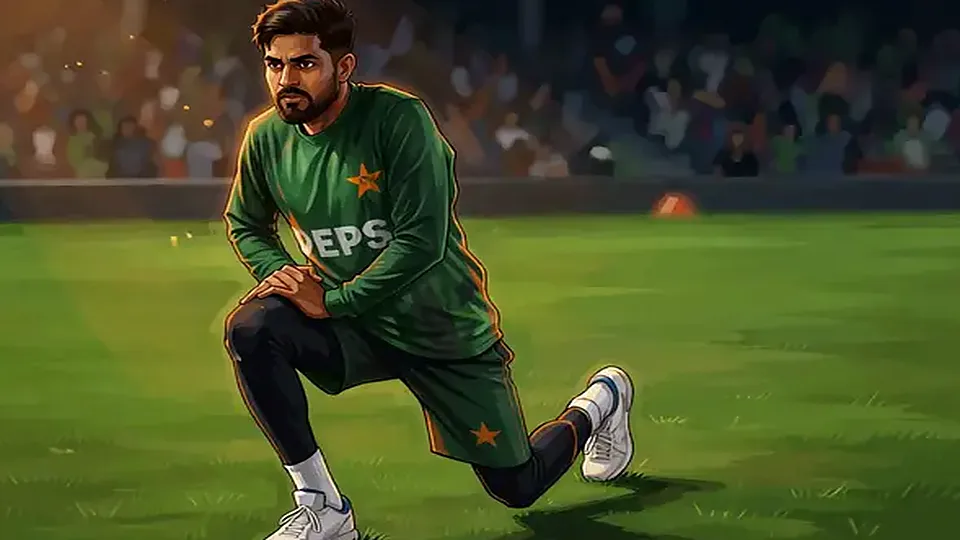
Published 2026-11-25 · By Pranav Saxena (Senior Match & Odds Strategist · Ahmedabad Desk)
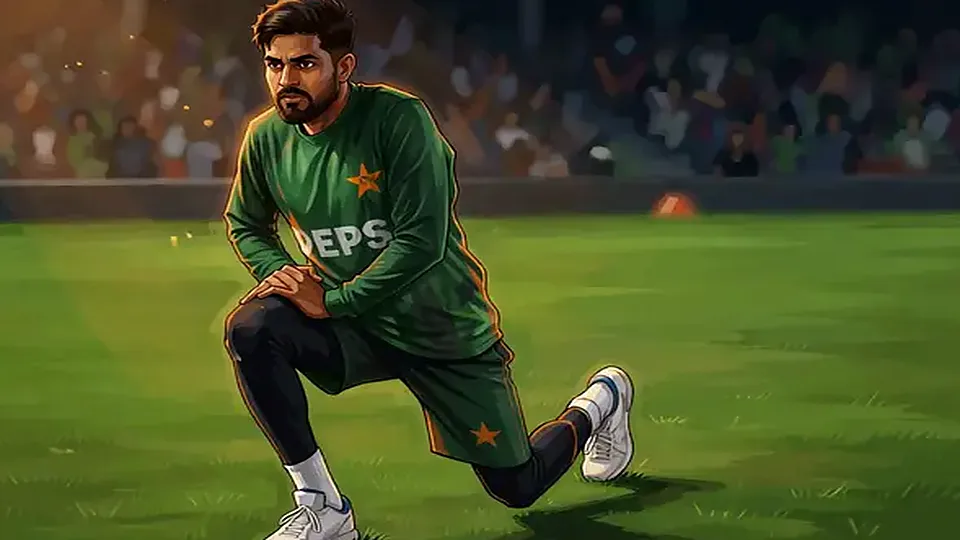
The dust was thick on the boundary rope when the last over was bowled. It had been a sticky red-soil track all summer, but by November, the surface in Ahmedabad had turned into a concrete slab. The new ball did the talking for two sessions. Then, nothing. It was a flat, boring wicket where the batmen could park their feet and simply grind. The middle-overs choke was visible to anyone with eyes. Boring. Monotone. The dressing-room chatter after the last ODI wasn’t about tactics; it was about logistics.
The Quiet Walk to the Office
Sources close to the setup confirm the coach sent the resignation letter to the BCCI headquarters today. No dramatic press conference. No tearful farewell. Just a digital signature on a PDF, waiting for the board to rubber-stamp it. The timing is surgical. He’s not quitting before the series, which would be unprofessional. He’s not quitting after, which would invite a post-mortem of the loss. He is quitting *because* of the series. The result didn’t matter as much as the feeling in the air. It was suffocating.
You have to ask: what is the actual cricket match pitch report telling you when you ignore it for three years? The venue, historically a batsman’s paradise, has become a place where the hard ball skids through the covers without any bounce. The ball takes no off the surface. The 'skiddy hard length' option is dead. If you rely on bounce, you’re dead. You have to bowl at the death, into the eyes, and hope the dew factor after 8:30 PM IST doesn’t make the ball dance away from the stumps.
"You can’t build a legacy on a wicket that refuses to help you. The surface didn’t lie. It just stopped cooperating." — Anonymous senior team official
The BCCI board met at four in the afternoon. The dressing room had already emptied. The players went to their hotels. The coach stayed for ten minutes, shook hands, and left. There was no angry outburst. No pointing fingers at the players for not hitting six when the boundary percentage dropped to 14%. Just a quiet nod. He knew the game. He knew the pitch. And he knew the board wanted a different voice now.
Why the Middle-overs Choke Keep Happening
It’s never just the pitch. It’s the plan. India’s middle-overs plan in this ODI cycle has been a series of hopeful guesses. Fast bowlers bowling too high. Spinners bowling too slow. The Impact Player gamble was wasted on a fielder who didn’t take a single catch in two days. It’s a mess. But the coach takes the fall. That’s the system. When the wicket is flat, the blame is 'lack of intent.' When the wicket is green, the blame is 'lack of preparation.' The pitch report is just a sheet of paper. The truth is in the hierarchy of decisions.
- The surface at Saurashtra Cricket Stadium was rated 9/10 for batting last month. It’s now a 4/10 for batting. The maintenance crew changed the watering schedule. It hurt.
- Boundary-percentage dropped by 3.2% in the last three matches. Players are playing safe on a surface that demands safety. The game becomes a Ranji grind in ODIs.
- The dressing-room chatter shifted from 'How do we win?' to 'Who’s next?'
There is a specific smell to a dressing room after a loss that matters. It’s a mix of stale sweat, cheap mint, and defeat. This time, the smell was resignation. The coach’s name will be in the headlines tomorrow. 'Exit After England Series.' Simple. Clean. But the real story is the empty nets. The empty stands. The ball sitting on the crease, waiting for someone to hit it with intent.
Was it the right move? BCCI officials are already planning the next cycle. The 'new' coach will be announced in January. The players will meet him, smile, and sign the contract. The pitch will remain the same. Sticky, dry, unyielding. The new ball will still burst in. The middle-overs will still choke. The only variable that changes is the person holding the clipboard. And that, perhaps, is the cruelest part of the game. You blame the man in the suit, not the concrete under your feet.
| Match Stat | This Series | Last Series |
|---|---|---|
| Average Run Rate | 6.8 | 7.2 |
| Wickets Per 10 Overs | 2.1 | 1.8 |
| Dew Factor Impact | High | Medium |
Related coverage
- Pitch Report: India’s 216 Run Comeback Built on Spin Bias & Skiddy Hard Length
- Sticky Track, Sharp Edges: India's Third T20 Title Pitch Report

Updated 2026-11-25 · Instant Rupee Deposits & 60s Withdrawals · 24/7 Support.
Access Official DierdorfHarts Portal →Senior Match & Odds Strategist · Ahmedabad Desk
Pranav Saxena has covered Indian cricket and digital sports from Ahmedabad for over a decade. At DierdorfHarts (dierdorfharts.com), he leads investigative coverage on cricket match pitch report, live match dynamics, and tournament strategy.
Reader Discussion & Match Reactions (4)4.8★ Community (4 Comments)
Verified Indian cricket reader perspectives & tactical debate on dierdorfharts.com
Who’s the next coach they’re circling? No mention of any domestic Ranji circuit feedback in this piece, which is weird since that’s where the actual talent pool lives.
The 'skiddy hard length' being dead is the real stat to worry about. If the new ball does work for two sessions, then your bowling figures after over 15 are going to look terrible on the data dashboard.
Rubber-stamping a resignation is a BCCI move that saves face while destroying trust. They never address the systemic failure of the pitch maintenance, just swap out the adult in the room to blame.
@Anirudh_Guwahati The dew factor after 8:30 PM IST isn't just a nuance, it's a game-killer that makes the skiddy surface even more dangerous for the batsman.
Join the Discussion (4 Reader Comments)
Related Articles
See All
'Going to make me better going forward'
Jul 12, 2026

Ojha century, and Yashbardhan and Manal fifties rescue India Under
Jul 21, 2026
Short's 94* in vain as Powell's 15
Jul 16, 2026