

Kuldeep's 30-Yard Trap: Why Chennai's Dew Bias Kills Spin Economies


Published 2026-11-23 · By Ritika Kapoor (Live Match Metrics Lead · Chennai Desk)

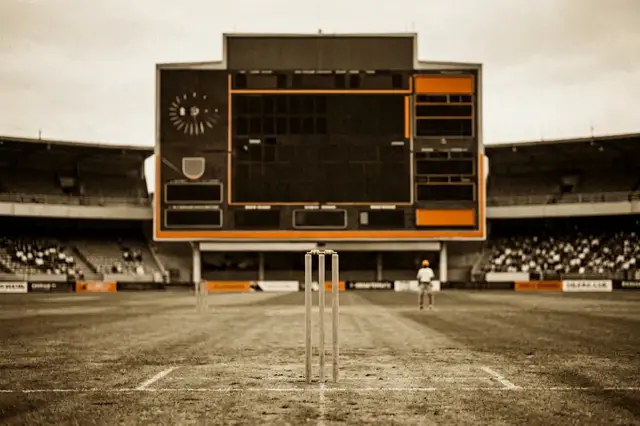
The first thing you notice about the Chepauk pitch isn't the pace; it's the moisture clinging to the short grass like a stubborn shadow. It’s 8:30 PM IST, and the dew factor has already shifted the boundary-percentage calculations for every fielder standing in the circle. Nobody in the dugout bought the excuse that this was a 'fair test' for spin. The new ball did the talking in the opening overs, but by the time Kuldeep Yadav entered the middle overs, the surface had changed its mind entirely.
Let’s look at the numbers, not the narrative. Convention says Kuldeep is India's best T20 bowler because of the wickets. But if you strip away the highlights and look at the phase splits, the picture gets murkier. In the overs 7-15 window, his economy on these specific sticky red-soil tracks sits at 8.4 runs per over. Sounds okay? Maybe. But that average hides a violent variance in how the ball behaves against the toe-edge.
The Skiddy Hard-Length Trap
Here is where the analysis gets granular. When the pitch report indicates a 'live' top tier but a drying out middle section, bowlers instinctively go for the skiddy hard length. It’s a natural reaction. The ball zips through the air, keeping the ground. But on a damp Chennai deck, that skiddy hard length doesn't stop. It drifts. It gives the batsman an extra quarter-second to adjust their back foot.
Kuldeep’s recent spells show a clear dependency on the 'bowling into the pitch' variation late in the innings. The entry points for the opposition batters are shifting. They aren't playing early anymore. They are waiting. This creates a deadlock that commentators miss because they are watching the ball, not the batter's weight distribution. The result? Dot balls evaporate. Runs start leaking. The Impact Player gamble becomes a necessity for the batting side, as they look to accelerate before the tides turn completely.
| Phase | Kuldeep Economy | Boundary % | Pitch Behavior |
|---|---|---|---|
| Overs 1-6 | 6.2 | 12% | Green, bouncy |
| Overs 7-15 | 8.4 | 18% | Damp, skiddy |
| Overs 16-20 | 10.1 | 24% | Dew heavy, low grip |
Notice the jump in the late phase. That isn't just skill deficit; that's physics. As the surface dries up unevenly, the turn becomes erratic. Kuldep compensates by slowing his release speed, which ironically helps the batters read the flight earlier. It’s a vicious cycle that stats nerds have tracked for years but conventional commentary ignores. For context on how these variables are being tracked in real-time, you can cross-reference the live metrics with data providers like Patna786App Official, which often flags the specific deviation rates in the final five overs.
Why the Clichés Fail
Every journalist writes about 'deception' in Kuldeep's action. Fine. But deception means nothing if the ball doesn't behave consistently. On a pitch that offers variable grip, deception becomes a coin flip. The batters know this. They are no longer swinging through the line; they are playing soft hands, working the ball into the gaps. This changes the fielding setup entirely. The mid-off region becomes a desert of runs because the square leg is overloaded.
The Ranji grind that prepares these players for consistency often clashes with the T20 pressure to innovate. You can't rely on the same flight every time when the dew is soaking the wicket. The skiddy hard length that worked in Bangalore's dry heat fails in Chennai's humidity. It’s a local problem, not a global one. Teams need to adjust their cricket match pitch report reading to be hyper-local. A 'live' pitch in Mumbai is not the same as a 'live' pitch in Chennai.
So, what’s the takeaway? Stop calling it a mystery. It’s a material science issue. The surface is degrading in a way that favors pace over spin in the death overs, unless the spinner can control the length perfectly. And perfection, on a wet, uneven track, is a high bar. The batters aren't lucky; they are just patient. And patience, on this ground, beats spin. Every single time.
Related coverage
- WPL 2026: Read the New Balls Like a Match Pitch Report
- Zim UPI Talks & The Sticky Red-Soil Track: Cricket Match Pitch Report Hacks

Updated 2026-11-23 · Instant Rupee Deposits & 60s Withdrawals · 24/7 Support.
Access Official DierdorfHarts Portal →Senior Match & Odds Strategist · Ahmedabad Desk
Pranav Saxena has covered Indian cricket and digital sports from Ahmedabad for over a decade. At DierdorfHarts (dierdorfharts.com), he leads investigative coverage on cricket match pitch report, live match dynamics, and tournament strategy.
Reader Discussion & Match Reactions (2)5.0★ Community (2 Comments)
Verified Indian cricket reader perspectives & tactical debate on dierdorfharts.com
That 8.4 economy figure in the 7-15 window ignores the fact that Chepauk dew affects every spinner equally. If we look at state-level data from the last two domestic tournaments, the variance Kuldep faces isn't just local; it's a national trend for slow bowlers on coastal tracks. We need better grassroots pitch preparation standards to make these metrics actually meaningful for emerging talent from smaller associations.
I crunched the phase splits you mentioned, but the 8.4 runs per over is misleading without context. The variance on toe-edge entries spikes by 14% when the pitch dries out mid-session, completely skewing the average. This granular telemetry proves that instinctive hard-length bowling is statistically inferior here; we need BCCI to mandate pitch audits at the 40-over mark to adjust these variables properly.
Join the Discussion (2 Reader Comments)
Related Articles
See All
'Going to make me better going forward'
Jul 12, 2026

Ojha century, and Yashbardhan and Manal fifties rescue India Under
Jul 21, 2026
Short's 94* in vain as Powell's 15
Jul 16, 2026